7 Best Reasons Why Air Freight Is So Expensive Now?

Time:2026-09-20 Author:Oliver
0%

Why is air freight so expensive right now? Shippers are asking this question as urgent cargo moves through crowded airports and limited aircraft space. A small pallet can face higher charges before it even reaches the runway. Fuel prices remain a major factor. Jet fuel is expensive, and airlines usually recover costs through fuel surcharges. Capacity is another pressure point. Passenger aircraft carry much less belly cargo when flight schedules change or routes disappear.

Demand also moves quickly. E-commerce peaks, medical shipments, seasonal products, and factory delays can fill available space within hours. Labor shortages add costs at warehouses, terminals, and ground-handling facilities. Security screening takes time and requires trained staff. Airport handling fees, customs procedures, insurance, and documentation create additional layers. Aircraft maintenance and lease expenses remain significant, especially for older fleets. Finally, shipment weight, volume, route distance, and delivery speed can change the final rate dramatically.

The picture is not perfectly tidy. Some prices fall suddenly when capacity returns, while others stay high because local handling remains expensive. Brendan Sullivan, IATA’s Global Head of Cargo, has said, “Air cargo is the unsung hero of the global economy.” That observation matters. Air freight supports hospitals, manufacturers, retailers, and emergency supply chains, even when its price seems difficult to justify. This guide examines seven practical reasons behind today’s costs. It also considers where estimates can mislead shippers. A quote may look simple. The invoice rarely is. Understanding each cost driver helps businesses compare routes, plan earlier, and avoid paying premium rates unnecessarily.
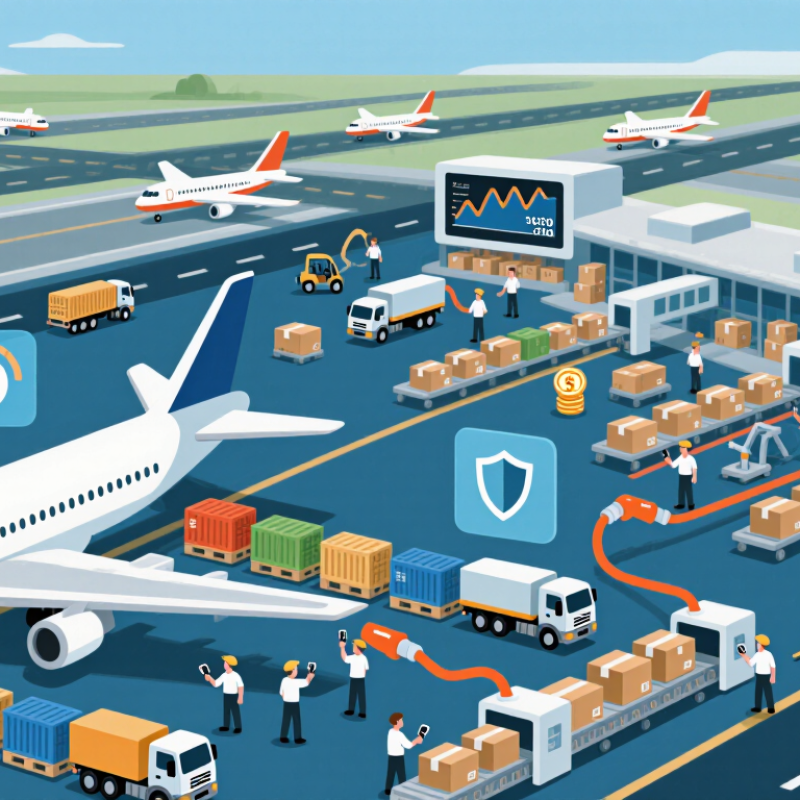
7 Best Reasons Why Air Freight Is So Expensive Now?

What Makes Air Freight Different from Other Shipping Methods

Air freight costs more because it sells time, not merely transport. A cargo aircraft can move a pallet across continents within hours, while ocean freight may take weeks. The main cost drivers are speed, fuel, aircraft capacity, weight rules, handling, airport fees, and limited space. Time has a price.

Airlines usually charge by actual weight or volumetric weight, whichever is higher. A light carton filled with foam may occupy valuable space and cost more than its scale suggests. Aircraft also have strict limits for weight, balance, and dimensions.

Each shipment needs accurate measurements, documents, screening, secure handling, and transfers between trucks and terminals. These steps add labor and fees. Airport storage becomes costly when paperwork or clearance is delayed. I have seen a small measurement error change a quotation noticeably.

Air freight differs from other shipping methods because its network is schedule-driven and capacity is limited. During seasonal demand, available space can disappear quickly, pushing rates upward. Weather, technical inspections, and route changes may also affect delivery. It is fast, but not magically predictable.

Comparing transit time, cargo density, urgency, and total handling cost gives a more honest decision than comparing rates alone. I still sometimes underestimate handling charges. That is easy to overlook.

How Fuel Prices and Aircraft Operations Raise Freight Costs

7 Best Reasons Why Air Freight Is So Expensive Now?

How Fuel Prices and Aircraft Operations Raise Freight Costs

Air freight begins with fuel, and fuel consumption is not evenly shared. A heavy shipment requires more lift, increasing fuel burn during takeoff. Longer routes also consume more fuel, especially when aircraft avoid restricted airspace. Fuel prices can change weekly, while freight contracts may last for months. Carriers often add fuel surcharges to reduce this risk. These charges can still lag behind real market movements. That gap creates uncertainty for shippers.

Aircraft operations add several less visible costs. Cargo aircraft require trained crews, regular inspections, spare parts, and specialized ground equipment. Airport landing fees and overnight parking charges also affect each shipment. Limited aircraft space raises prices during holiday peaks or severe weather. A delayed flight may require storage, rebooking, and extra handling. Temperature-controlled cargo needs monitored facilities and reliable power. Every transfer adds labor and another chance for damage.

Small details matter.

Freight pricing also depends on weight, volume, and aircraft balance. A large but light carton may occupy valuable space without adding much weight. Operators must calculate center of gravity before departure. This can leave unused capacity, even when a flight appears full. In my experience, shipping estimates often look precise but hide changing assumptions. Fuel forecasts, routing plans, and handling times can all move. Better cost control starts with accurate dimensions, realistic delivery windows, and regular review of operating data.

Why Limited Capacity and High Demand Increase Airfreight Rates

7 Best Reasons Why Air Freight Is So Expensive Now?

Air freight prices are rising because demand is recovering faster than usable capacity. IATA’s Air Cargo Market Analysis reported an 11.3% year-on-year increase in global cargo demand during 2024. Capacity grew only 7.4% during the same period. That difference creates pressure on every available flight.

The shortage is often local, not global. A route may have aircraft available, but no suitable space for urgent pallets. Passenger schedules also affect belly capacity, especially during seasonal changes. Freighter availability can tighten when maintenance, weather, or airport restrictions disrupt operations. Small disruptions matter.

High demand makes the imbalance more expensive. E-commerce, industrial components, pharmaceuticals, and time-sensitive spare parts compete for limited space. Forwarders may pay more to secure earlier departures, then adjust quotes for handling, fuel, screening, and trucking costs. A forwarder’s daily quote comparison often shows sharp differences between nearby departure dates.

IATA also reported that air cargo yields in 2024 remained well above 2019 levels, despite some month-to-month easing. This supports the capacity argument, but it is not the whole explanation. Market pricing is less tidy than the headline suggests. Route structure, shipment density, and booking timing can change the final rate significantly. A cheaper quote may simply involve a longer transit time or less reliable space.

How Labor, Security, and Airport Handling Add to Shipping Expenses

Air freight feels expensive because seven cost layers move together. Labor is the first pressure point. Skilled warehouse teams build pallets, check documents, operate equipment, and work overnight. Overtime grows when flights are delayed. Handling is rarely one simple fee.

Security adds more. Cargo may require screening, secure storage, controlled access, and repeated checks. These steps protect the supply chain, but they consume staff time and space. Airport handling also includes weighing, labeling, customs coordination, transfer loading, and special equipment. A short delay can create storage charges or missed-flight costs.

Capacity matters too. IATA’s December 2024 Air Cargo Market Analysis reported demand growth of 11.3%, while available capacity increased 7.4%. That imbalance can lift prices, especially on urgent routes. Fuel surcharges, aircraft positioning, seasonal peaks, and limited direct flights add further expense. IATA’s 2024 Global Outlook reported only a 3.1% net profit margin for airlines, showing how little room exists for uncontrolled costs. The margin is thin.

Tips: Compare airport handling quotes, not only base freight rates. Ask whether screening, storage, documentation, and transfer fees are included. Provide accurate dimensions before pickup. One incorrect measurement can trigger reweighing, repacking, or a missed connection. Consolidation may reduce handling events, but it is not always cheaper when delivery timing is critical. Building a small buffer into the schedule often costs less than chasing an emergency uplift. Yet this advice has limits; rates and labor conditions change quickly.

7 Best Reasons Why Air Freight Is So Expensive Now

Indicative cost-pressure index for major air-freight expense drivers. Labor, security, airport handling, fuel, capacity constraints, and customs processing all contribute to higher shipping costs. Actual charges vary by route, shipment weight, service level, and season.

Index baseline: 100 = normal operating conditions. Values represent directional industry pressure levels rather than a carrier quotation.

Why Regulations, Route Distance, and Surcharges Affect Final Prices

Air freight prices rise when regulations add time, paperwork, and handling requirements. Customs authorities may request accurate invoices, product descriptions, origin details, and classification codes. A small document error can delay cargo and create storage charges. Compliance checks also require trained staff, screening equipment, and secure facilities. These costs eventually reach the shipper.

Route distance remains another major factor. Longer routes consume more fuel and often involve multiple airport transfers. Each transfer can add handling fees, security checks, and a greater risk of delay. Remote destinations may have limited cargo capacity, so available space becomes expensive. A direct flight can cost more per kilogram, yet it may reduce transfer expenses. The cheapest route is not always the cheapest shipment.

Surcharges can change the final price after the initial quote. Fuel surcharges move with energy markets, while security and airport fees vary by location. Oversized cartons, heavy pieces, seasonal demand, and urgent booking requests may trigger additional charges. The base rate is only part of the calculation. A careful shipper should request a full cost breakdown, including possible storage or documentation fees. Even then, forecasts remain imperfect. That uncertainty deserves honest attention.

FAQS

Why does air freight cost more than ocean shipping?

Air freight sells speed as well as transport. A pallet may cross continents within hours, while ocean shipping can take weeks. Fuel, aircraft capacity, airport fees, and handling raise the final price.

How is air freight charged?

Carriers usually compare actual weight with volumetric weight. They charge the higher figure. A light carton filled with foam may cost more because it occupies valuable aircraft space.

What is volumetric weight?

Volumetric weight reflects the space a shipment uses. A large carton can be expensive, even when it feels light. Accurate length, width, and height matter.

Why can a small measurement error change the quotation?

Incorrect dimensions may trigger reweighing or repacking. They can also affect aircraft balance and available space. I still underestimate this risk sometimes.

Why do air freight rates rise during busy periods?

Demand can grow faster than usable aircraft capacity. In 2024, global cargo demand increased 11.3%, while capacity grew 7.4%. Nearby departure dates may show surprisingly different rates.

Which hidden charges can increase air freight expenses?

Labor, screening, labeling, storage, documentation, and transfer loading may add fees. Fuel surcharges and airport equipment can increase the total. A delayed document may create costly storage.

Does fast air freight guarantee predictable delivery?

No. Weather, technical inspections, route changes, and missed connections can delay shipments. Air freight is fast, not magical. A small schedule buffer can prevent an emergency booking.

How can a shipper control air freight costs?

Provide precise dimensions before pickup. Compare total quotes, including screening, storage, and transfer charges. Consolidation may help, but urgent cargo does not always benefit from it.

Is the cheapest air freight quote always the best choice?

Not necessarily. A cheaper option may use a longer route, later departure, or less reliable space. Compare price, transit time, cargo density, and handling requirements together.

Conclusion

Air freight is faster and more flexible than most shipping methods, but these advantages come with higher operating costs. One major reason why is air freight so expensive right now is the rising cost of fuel, which directly affects aircraft operations and delivery prices. Airlines must also maintain specialized equipment, schedule flights efficiently, and meet strict safety and security requirements. When available cargo space is limited while demand is strong, carriers can charge higher rates because each shipment competes for a small amount of capacity.

Additional expenses come from skilled labor, airport handling, cargo screening, storage, customs procedures, and specialized facilities. The longer the route, the more fuel, time, and coordination are required, which further increases the final price. Regulations can also add administrative work and compliance costs, while seasonal demand, airport congestion, currency changes, and fuel-related surcharges may cause rates to fluctuate. Together, these factors explain why air freight remains one of the most expensive choices for transporting goods quickly across long distances.

Oliver

Oliver

Oliver is a seasoned marketing professional with a wealth of expertise in driving brand awareness and engagement. With a deep understanding of our company's product offerings, he consistently delivers high-quality content that enriches our professional blog. His insights not only shed light on......