How to Understand Delays in Your China-Australia Shipment?

Time:2026-06-19 Author:Ethan
0%

Understanding delays in shipping is crucial for businesses involved in China-Australia trade. As every company knows, delays can lead to unhappy customers and financial losses. Renowned logistics expert, Alex Tran, addresses this concern directly, stating, "Keeping track of your shipment's journey is essential to avoid frustration."

Many businesses often wonder, "why is my China-Australia shipment taking so long?" Factors such as customs procedures, weather conditions, and port congestion can contribute significantly to delays. In the bustling world of international trade, each step in the shipment process matters. A single hiccup can ripple through the logistics chain.

Delays are not always predictable, and companies must be prepared for the unexpected. Understanding these challenges increases resilience. It builds trust with customers, who appreciate transparency. An informed approach allows businesses to navigate obstacles effectively. Keeping communication lines open is vital. When customers understand what is happening, they are less likely to become frustrated.
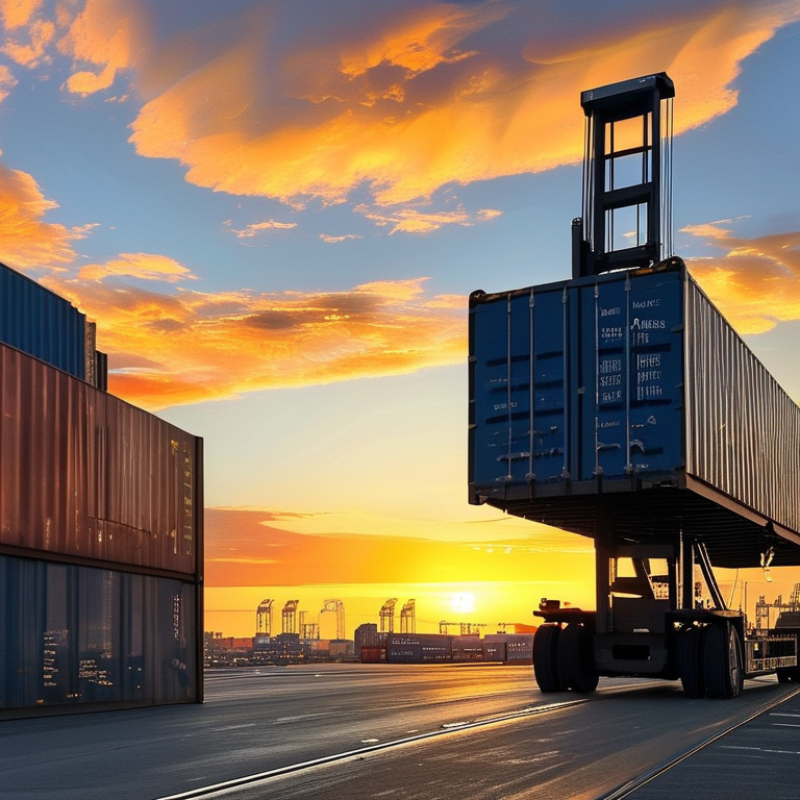
How to Understand Delays in Your China-Australia Shipment?

Factors Affecting Shipment Delays Between China and Australia

Shipping delays between China and Australia can stem from multiple factors. One significant element is port congestion. According to a 2023 report from the International Maritime Organization, ship turnaround times have increased by 25% on average due to container backlog. This backlog often originates from increased global demand and limited port capacity. In 2022, Australia's major ports reported a 15% rise in delays compared to prior years.

Weather conditions also play a role. Severe weather events, such as typhoons, frequently disrupt shipping schedules. For instance, typhoons along the East Coast can delay shipments by up to two weeks. Additionally, compliance with new regulations can lead to unexpected delays. The implementation of stricter customs checks has increased processing times, with reports indicating a 30% increase in documentation requirements in recent months.

Unexpected delays arise in supply chains too. Shortages of essential components can halt production, further delaying shipments. The reliance on Just-In-Time (JIT) manufacturing amplifies this issue. When a supplier faces delays, entire production lines may stop, impacting delivery timelines. Continuous monitoring and communication with logistics partners are critical in navigating these complexities.

Understanding Customs Procedures and Their Impact on Shipping Times

Customs procedures play a crucial role in determining the shipping times of goods between China and Australia. The World Bank reported that inefficient customs processes can add up to 14 hours to shipment times. From documentation checks to inspections, each step can create delays. In fact, a 2020 survey indicated that over 30% of businesses experienced shipment delays due to customs inefficiencies. Delays occur frequently, causing frustration for shippers.

Understanding customs regulations is essential. Complexity grows with different product categories and regulations. Reports indicate that specific goods may face stricter scrutiny, which lengthens transit times significantly. It's not uncommon for shipments to be placed in transit for additional reviews, sometimes lasting several days or weeks. Some companies have faced issues with incomplete documentation. This can lead to increased holding times at customs, stressing the importance of thorough preparation.

Staying informed can help mitigate delays. Customs updates often change, requiring importers to adapt. Engaging customs brokers can provide valuable insights into regulations that affect shipping. However, businesses must remain vigilant and proactive. Regular checks on shipment status can uncover potential delays before they become costly. Employing best practices in documentation can reduce the risks of new customs challenges. The shipping landscape between China and Australia is dynamic, hence flexibility in strategies is vital.

How to Understand Delays in Your China-Australia Shipment?

Dimension Details
Customs Documentation Complete and accurate customs documents required to avoid delays.
Average Customs Clearance Time 3 to 7 days, depending on the completeness of documents.
Potential Delays Factors Incomplete paperwork, random inspections, and high shipment volumes.
Impact of COVID-19 Ongoing delays due to health measures and workforce reductions.
Best Practices for Shipping Ensure compliance and check regulations frequently to minimize delays.
Average Shipping Time from China to Australia 7 to 14 days, depending on shipping method and customs.

Transport Modes and Their Role in Shipment Timeliness

Transport modes play a crucial role in the timeliness of shipments between China and Australia. Each mode, whether it's air freight or sea freight, has its distinct advantages and challenges. Air freight is usually quicker, offering delivery within days, while sea freight can take several weeks. However, the cost differences between these modes can be significant. Shippers often face dilemmas when calculating the balance between cost and speed.

Delays are common in logistics. Weather changes can affect schedules, particularly for air transport. Shipping containers may get delayed at ports due to congestion or inspections. Even small errors in documentation can cause significant setbacks. Businesses need to communicate effectively about these risks. Understanding potential pitfalls helps in managing expectations.

Choosing the right transport mode requires careful analysis. Factors include shipment urgency, budget, and product nature. For time-sensitive goods, air freight may be necessary despite higher costs. Conversely, bulk items might suit sea freight better. Mistakes in choosing the wrong mode can lead to costly delays and unhappy customers. Thus, a thorough evaluation of each shipment’s needs is essential for success.

Communication with Shipping Providers: Best Practices

Effective communication with shipping providers is crucial for managing delays in your China-Australia shipments. According to the International Maritime Organization, shipping delays can lead to increased costs, averaging up to 20% more than expected. Being aware of this can help manage your budget effectively. One major reason for delays is documentation errors. Around 30% of shipping delays stem from incomplete paperwork. Thus, ensuring all documents are in order is essential.

When facing communication issues, transparency is key. Shippers should provide regular updates to minimize confusion. It’s advisable to request weekly status reports from your shipping provider. A study by the Logistics Management Association shows that timely information can reduce anxiety for businesses by over 40%. This approach fosters trust and keeps stakeholders informed.

Moreover, it is important to establish clear lines of communication. The use of digital tools, such as instant messaging apps, can facilitate quick inquiries. A report showed that companies that use such tools resolved issues 50% faster than those relying on emails alone. This aspect can significantly reduce the impact of unforeseen delays on your supply chain. However, expect occasional misunderstandings; no system is foolproof. Embracing these challenges can pave the way for improved future communications.

Strategies to Mitigate Delays in China-Australia Shipments

Delays in shipments from China to Australia can be frustrating. Understanding the primary causes is essential to develop effective strategies. Weather disruptions are common. Natural disasters can stall logistics at ports and airports. These impacts are often unpredictable.

To mitigate delays, prepare well in advance. Use reliable tracking systems to monitor your shipment's progress. Establish strong relationships with freight forwarders. Their local knowledge can provide insights into potential delays. Additionally, consider alternative routes if issues arise. Flexibility in your logistics plan can save you time.

Sometimes, communication is overlooked. Regular updates with your logistics provider can prevent misunderstandings. Confirm shipment times and document any changes promptly. Being proactive helps identify potential issues early. While no solution is foolproof, staying informed reduces anxiety and enhances efficiency.

Delays in China-Australia Shipments - Monthly Overview

This bar chart illustrates the average delays in shipments from China to Australia over the course of 12 months. As seen in the chart, peak delays occur in mid-year months, emphasizing the need for improved strategies to mitigate shipping delays.

FAQS

: What are the main transport modes for shipments between China and

ustralia?

How does air freight compare to sea freight in terms of delivery time?

Air freight is usually quicker, delivering within days, while sea freight can take several weeks.

What factors should be considered when choosing a transport mode?

Factors include shipment urgency, budget, and the nature of the product being shipped.

What common issues can cause delays in shipping?

Common issues include weather changes, port congestion, and documentation errors.

What is the impact of documentation errors on shipment delays?

Approximately 30% of shipping delays result from incomplete paperwork, highlighting the need for accuracy.

How can businesses improve communication with shipping providers?

Regular updates and weekly status reports can enhance transparency and build trust.

Why is it important to use digital tools for communication?

Digital tools can resolve issues faster, with reports showing 50% quicker resolution than emails.

How can businesses manage expectations regarding shipment timelines?

Understanding potential risks and maintaining open communication helps manage expectations effectively.

Are there risks associated with choosing the wrong transport mode?

Yes, mistakes in mode selection can lead to costly delays and unhappy customers.

How can businesses reduce anxiety related to shipping delays?

Providing timely information can reduce anxiety for businesses by over 40%.

Conclusion

Understanding delays in China-Australia shipments can be complex, but several key factors come into play. The primary reasons include customs procedures, which can significantly impact shipping times, and the various transport modes that affect delivery schedules. Delays can also arise from the communication between shipping providers and customers. Keeping open lines of communication is vital, as it helps track shipments and provides updates on any delays.

To address the question, "why is my China-Australia shipment taking so long," it's crucial to consider all these elements. Implementing strategies such as proactive planning, understanding transit times for different modes of transport, and being aware of customs regulations can help mitigate potential delays. By being informed and prepared, shippers can better manage expectations and improve the overall shipping experience.

Ethan

Ethan

Ethan is a seasoned marketing professional with a deep expertise in our company's innovative product line. With a passion for sharing knowledge and insights, he takes the lead in regularly updating our corporate blog, where he explores industry trends, product features, and effective marketing......