In the realm of logistics, understanding transportation timelines is vital. “What is the transit time for China-Hong Kong daily line?” This question is crucial for businesses operating in this bustling trade corridor. Renowned logistics expert Dr. Li Chen highlights, “Timely deliveries can make or break customer satisfaction.”
The China-Hong Kong daily line is essential for many companies. Daily connectivity ensures that goods flow seamlessly between these two regions. However, fluctuating factors like customs procedures and traffic can impact transit times. Experts recommend planning for variability in schedules. Addressing potential delays proactively protects your supply chain.
Investing in reliable shipping options can enhance efficiency. While the average transit time is often quoted, actual experiences may vary. Businesses must remain adaptable and informed about local conditions. Ultimately, the question remains, what is the transit time for China-Hong Kong daily line? The answer is not fixed but dependent on multiple factors, necessitating constant evaluation.
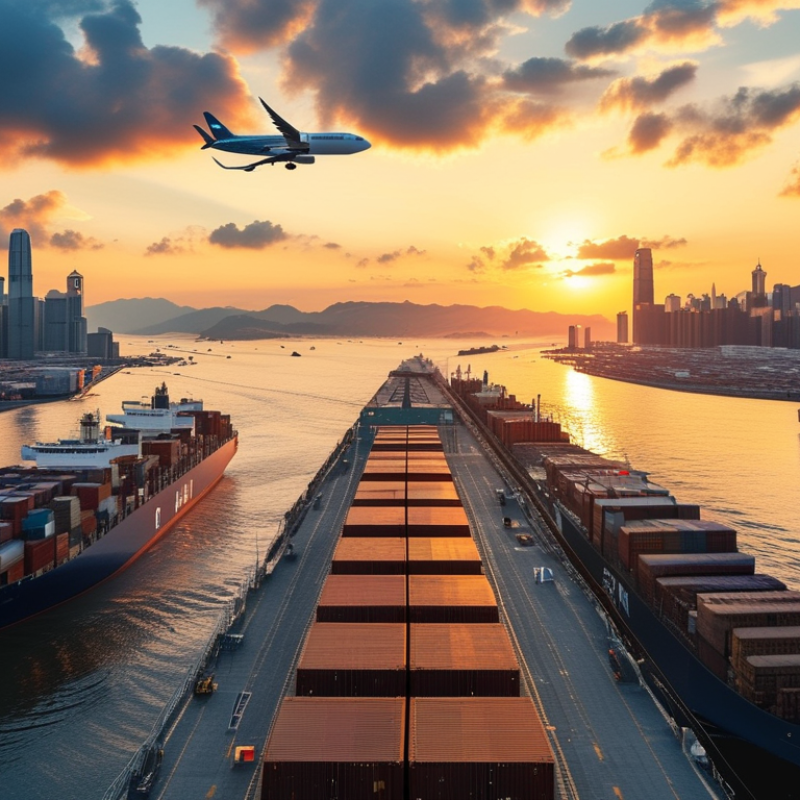
Transit Time Overview for China Hong Kong Daily Line
Transit time for the China Hong Kong Daily Line varies based on several factors. Generally, shipments can take around 1-3 days. Variations often stem from the type of goods and transit methods used. Weather conditions and customs procedures may also impact this timeline.
Each shipment has unique requirements. Some cargo may need special handling, which adds extra time. Understanding these nuances helps businesses plan better. It's crucial to account for unexpected delays. Logistics is often unpredictable, which means flexibility is essential.
Communication with freight professionals can provide valuable insights. Their expertise helps in managing expectations. A reliable service can mitigate some uncertainties. However, it's vital to continuously assess and adapt strategies. The transportation industry is in constant flux, and staying informed is key.
Factors Influencing Transit Time on the Route
Transit time on the China Hong Kong Daily Line can vary. Several factors influence this duration. Understanding these factors is crucial for planning and efficiency.
The distance between ports is significant. Weather conditions also play a vital role in transit time. Delays due to storms or fog can add unexpected hours. Logistics are another aspect to consider. Vessels must navigate through busy shipping lanes. Congestion at ports can lead to further delays. It's essential to account for loading and unloading times as well.
Additionally, customs processing can either expedite or hinder transit. Efficient paperwork can facilitate quick passage. In contrast, holdups can extend the timeline significantly. Overall, while the average transit time may seem predictable, many variables can interfere. A flexible approach and careful planning are necessary when shipping along this route.
What is the Transit Time for China Hong Kong Daily Line?
| Route |
Average Transit Time (days) |
Factors Influencing Time |
| Hong Kong to Shanghai |
1-2 |
Port congestion, customs clearance |
| Hong Kong to Shenzhen |
0.5-1 |
Border crossing efficiency |
| Hong Kong to Guangzhou |
1-3 |
Traffic conditions, terminal handling |
| Hong Kong to Xiamen |
2-4 |
Weather conditions, vessel schedule |
| Hong Kong to Ningbo |
3-5 |
Logistical delays, customs processes |
Typical Schedule and Frequency of Services
The China Hong Kong Daily Line operates on a regular schedule that caters to both local and international travelers. Services usually run multiple times a day, offering flexibility for commuters. Expect departures approximately every 30 to 60 minutes, depending on the time of day. This frequency ensures that passengers can plan their journeys more easily. Early mornings and late evenings see slightly adjusted timings.
Travelers appreciate the efficiency of the service, but sometimes delays occur. Factors such as weather or peak travel hours can affect transit times. It’s wise for passengers to check the schedule in advance, especially during holidays. Observing commuter patterns might reveal when to avoid rush times. Overall, using the China Hong Kong Daily Line can enhance your travel experience, but awareness of these nuances is essential.
Transit Time for China Hong Kong Daily Line
Comparison with Alternative Transportation Options
When considering the transit time for the China Hong Kong Daily Line, it's essential to compare it with alternative transportation options. The Daily Line typically offers a transit time of around 24 hours for shipments to reach their destination. This timeframe is relatively efficient for freight transport, especially for time-sensitive goods.
In contrast, other options like sea freight can extend the delivery time significantly. While sea freight is cost-effective, it often takes several days, or even weeks, depending on the route. Air freight, on the other hand, guarantees much faster delivery but comes with higher costs. Reports indicate that air freight can reduce transit times to as little as 3 to 5 days, providing a quick solution for urgent shipments.
However, the choice of transportation often depends on specific circumstances. Factors such as shipment volume, value, and destination play a crucial role. The Daily Line might not always be the best choice for larger shipments that could benefit from bulk sea freight. Balancing speed, cost, and shipment requirements can lead to complex decisions. Understanding these nuances helps businesses optimize their logistics strategies.
Tips for Passengers to Optimize Travel Time
Traveling between Hong Kong and mainland China can be efficient, but it requires some planning. To optimize your travel time, it's crucial to be aware of peak hours.
Mornings and evenings can be significantly busier, leading to longer waits. Aim to travel during off-peak hours to minimize delays.
Another tip is to check the transit schedule in advance. While the service operates daily, there may be variations based on the day or season. Some travelers overlook the importance of confirming the latest updates online.
Ensuring you have the correct timings can save you from unnecessary stress.
Additionally, have your documentation ready. Forgetting essential paperwork can slow you down at checkpoints. Just a moment's oversight can lead to longer wait times.
Recognizing potential pitfalls can help make your trip smoother. Stay patient and be prepared for unexpected delays, as they can happen.
FAQS
: Shipments generally take around 1-3 days, depending on several factors.
Transit times can vary due to the type of goods, transit methods, weather conditions, and customs procedures.
Understand your shipment's unique requirements and plan for potential unexpected delays.
Services run multiple times a day, typically departing every 30 to 60 minutes.
Mornings and evenings are usually peak times, leading to longer waits for passengers.
Aim to travel during off-peak hours and check the transit schedule in advance.
Forgetting paperwork can slow you down at checkpoints, leading to longer wait times.
Stay patient and prepare for potential unexpected delays, as they can happen frequently.
Their expertise provides insights that can help manage expectations effectively.
Many travelers forget to confirm the latest updates online about transit schedules.
Conclusion
The article titled "What is the Transit Time for China Hong Kong Daily Line?" provides a comprehensive overview of the transit times associated with this popular transportation route. It highlights the factors influencing transit time, such as traffic conditions, weather, and operational efficiency. Additionally, the article details the typical schedule and frequency of services, allowing passengers to plan their journeys accordingly.
Moreover, the article compares the China-Hong Kong Daily Line with alternative transportation options, helping travelers understand the best choices for their needs. For those looking to optimize their travel time, it offers practical tips and strategies to ensure a smoother experience. By exploring these aspects, readers can gain valuable insights into what is the transit time for China-Hong Kong daily line and how to make the most of their travel plans.

 RLL Logistics