China Top Customs Regulations for Shipping to Mexico Explained?

Time:2026-08-31 Author:Oliver
0%

When considering shipping goods from China to Mexico, understanding what are the customs regulations for shipping to Mexico is crucial. Navigating the complexities of customs is no small feat. Each shipment must comply with both countries' laws and regulations. Even minor oversights can lead to delays or additional costs.

Chinese exporters must ensure all documentation is in order, including invoices and certificates of origin. These documents provide the necessary proof of compliance with Mexican regulations. Specific attention should be given to product classifications and the associated tariffs. Misclassifying a product can lead to severe penalties.

Awareness of restricted items is essential. Some goods may face additional scrutiny or outright bans. Engaging with a customs broker can aid in understanding the intricacies of the process. However, even experts can encounter challenges and uncertainties, highlighting the importance of thorough research. Each shipment comes with its own set of lessons learned, emphasizing the need for careful planning.
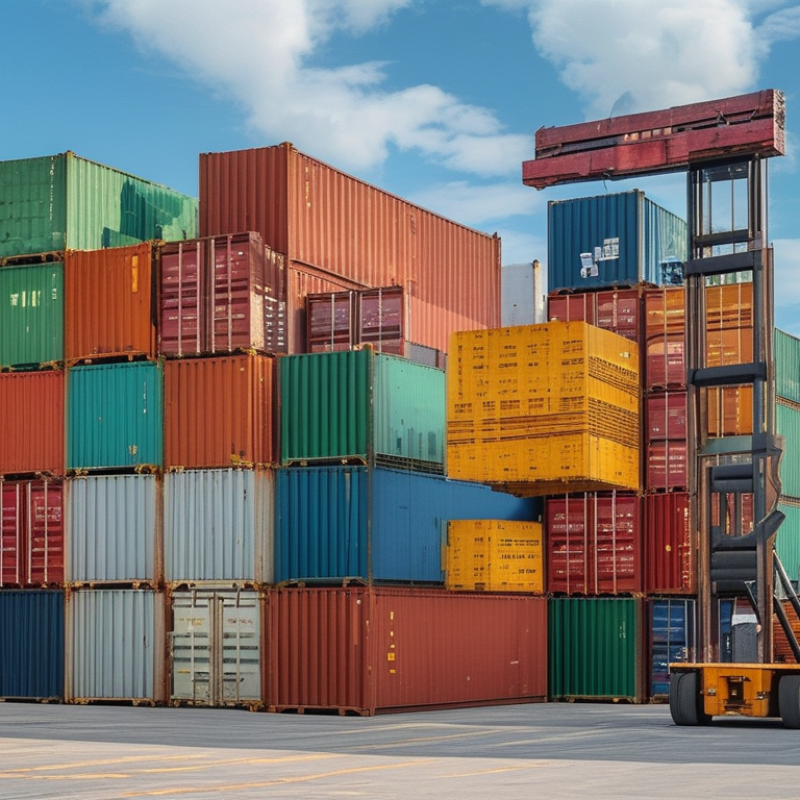
China Top Customs Regulations for Shipping to Mexico Explained?

Overview of China's Customs Regulations for Exports to Mexico

When exporting goods from China to Mexico, understanding customs regulations is crucial. Import duties and taxes play a significant role in the overall cost. Exporters need to research these rates for specific products. This ensures accurate pricing and helps avoid unexpected fees. Proper classification of goods in customs documentation is necessary. Each category has specific requirements and codes.

Documentation is another essential aspect. Exporters must prepare invoices, packing lists, and certificates of origin. Clear and accurate paperwork speeds up processing times at customs. Mistakes or omissions could lead to delays. Therefore, diligent attention to detail is invaluable. Understanding import permits required by Mexican authorities can be complex. Staying updated on these regulations is also critical for compliance.

Interacting with customs officials can be challenging. Language barriers or lack of understanding may lead to misunderstandings. Building a good relationship with your customs broker is beneficial. They often provide essential insights and help navigate the complexities. Without proper guidance, navigating customs can be daunting and costly.

Key Documentation Required for Shipping Goods from China to Mexico

When shipping goods from China to Mexico, proper documentation is crucial. A commercial invoice is essential. This invoice outlines the transaction details, including the value and nature of the goods. Each item should be described clearly. Another key document is the packing list, which provides specifics on how items are packed. This can help customs officials during inspections.

A bill of lading must also be included. This document serves as a contract between the shipper and carrier. It provides proof of shipment and details the terms of the delivery. An import permit may be required depending on the type of goods being imported. Understanding local import regulations can be challenging, so it's advisable to consult with experts in this area.

Sometimes, businesses overlook other potential documentation. Certificates of origin or inspection might be necessary for certain products. Ensuring all documents are complete and accurate reduces the likelihood of delays at customs. Each shipment may require different paperwork, so staying informed about the latest regulations in Mexico is vital.

Import Duties and Taxes for Chinese Goods Entering Mexico

When shipping Chinese goods to Mexico, understanding import duties and taxes is crucial. The Mexican government applies a range of tariffs on specific products. In 2022, the average import duty rate for non-NAFTA goods was around 10% to 20%. However, some categories can attract higher tariffs, sometimes exceeding 30%. For example, textiles and apparel often face steep taxes, reflecting the need for Mexico to support its local industries.

Customs duties are not the only costs to consider. Value-added tax (VAT) applies at a standard rate of 16% on most goods entering Mexico. The VAT is levied on the customs value, plus any applicable duties. Importers must also consider fees associated with customs clearance. According to the World Bank's latest Doing Business report, the cost of importing into Mexico can be relatively high due to bureaucratic processes and documentation requirements.

Compliance with customs regulations is a challenging area for importers. Proper classification of goods is essential for accurate duty calculation. Mistakes can lead to delays or additional costs. Detailed documentation, including invoices, packing lists, and certificates of origin, is required. Importers must be vigilant in navigating Mexico's specific regulations to avoid penalties or shipment rejections.

China Top Customs Regulations for Shipping to Mexico Explained? - Import Duties and Taxes for Chinese Goods Entering Mexico

Category Import Duty (%) Value Added Tax (VAT) (%) Customs Processing Fee ($) Additional Considerations
Electronics 15 16 100 Certificates of conformity may be required.
Textiles 20 16 150 Must meet import quotas.
Machinery 5 16 200 Need to provide technical specifications.
Vehicles 25 16 500 Must comply with emission standards.
Food Products 10 16 50 Health permits are necessary.

Prohibited and Restricted Items When Shipping to Mexico

When shipping items to Mexico from China, it is vital to understand the prohibited and restricted items. According to the Mexican Customs Agency, certain products face stringent regulations. For instance, firearms, explosives, and narcotics are outright banned. Additionally, plant and animal products often require special permits due to biosecurity concerns.

Other categories, like pharmaceuticals or medical devices, may need specific documentation. In 2022, over 30% of shipments faced delays due to improper documentation relating to restricted items. This figure underscores the importance of compliance with Mexican customs regulations. Notably, cosmetics and personal care items are also scrutinized for safety standards.

Understanding what can and cannot be shipped can save time and costs. The complexity of regulations can be daunting for new exporters. Engaging with customs experts or utilizing professional regulatory services is highly recommended to navigate this landscape effectively. Each country adapts its rules frequently, emphasizing the need for ongoing education in international shipping. This engagement helps avoid unnecessary customs fines.

Tips for Ensuring Compliance with Mexican Customs Requirements

When shipping to Mexico, understanding customs requirements is crucial. According to the World Bank’s 2022 Logistics Performance Index, Mexico ranks high in logistics efficiency but has specific custom regulations that can catch shippers off guard. Accurate documentation is vital. A common error is incomplete invoices, which can lead to delays or fines.

Proper labeling is essential as well. Goods must be labeled in Spanish and include the Harmonized System (HS) code. Many importers neglect this requirement, which can complicate customs clearance. Ensuring that the shipping documents match the actual goods is another common pitfall. A discrepancy might lead to payment of duties or taxes higher than necessary.

When completing paperwork, double-check details. Small mistakes can lead to significant consequences. Consult with customs brokers familiar with Mexican regulations. Their expertise can save time and reduce risks. Understanding local customs can enhance your shipping process, promoting smoother transactions and improved compliance. Prioritizing accuracy and adherence to regulations will lead to better outcomes.

Shipping Compliance Metrics to Mexico

FAQS

: Why is understanding customs regulations important for exporting to Mexico?

: Understanding customs regulations helps avoid unexpected fees and ensures accurate pricing.

What kind of documentation is required for exporting goods?

Exporters need invoices, packing lists, and certificates of origin for clear customs processing.

What are the typical import duties for goods entering Mexico?

Import duties usually range from 10% to 20%, but some categories can exceed 30%.

How is VAT applied to imported goods in Mexico?

VAT is applied at a standard rate of 16% on the customs value plus any duties.

What items are prohibited from being shipped to Mexico?

Firearms, explosives, and narcotics are outright banned from importation into Mexico.

What challenges do exporters face when interacting with customs officials?

Language barriers and misunderstandings can complicate interactions with customs officials.

How can exporters ensure compliance with Mexican customs regulations?

Keeping updated on regulations and engaging customs experts can aid in compliance.

Why is proper classification of goods essential?

Accurate classification affects duty calculation and helps avoid delays in processing.

What can happen if documentation is incomplete or incorrect?

Incomplete documentation can result in shipment delays and additional costs.

How often do regulations regarding shipping change?

Regulations frequently adapt, making ongoing education in international shipping necessary.

Conclusion

When considering what are the customs regulations for shipping to Mexico, it’s essential to understand China's export requirements and Mexico's import processes. A thorough overview of these customs regulations highlights the key documentation needed, such as commercial invoices, packing lists, and certificates of origin. Compliance with these requirements is crucial for smooth shipping operations.

In addition to the necessary documentation, shippers must be aware of import duties and taxes applicable to Chinese goods entering Mexico. Understanding what items are prohibited or restricted is also vital to avoid delays or penalties. Finally, ensuring adherence to Mexican customs requirements can facilitate a more efficient shipping process, allowing for timely deliveries and successful market entry.

Oliver

Oliver

Oliver is a seasoned marketing professional with a wealth of expertise in driving brand awareness and engagement. With a deep understanding of our company's product offerings, he consistently delivers high-quality content that enriches our professional blog. His insights not only shed light on......