Top 10 Tips to Avoid Hidden Fees in International Logistics?

Time:2026-05-05 Author:Henry
0%

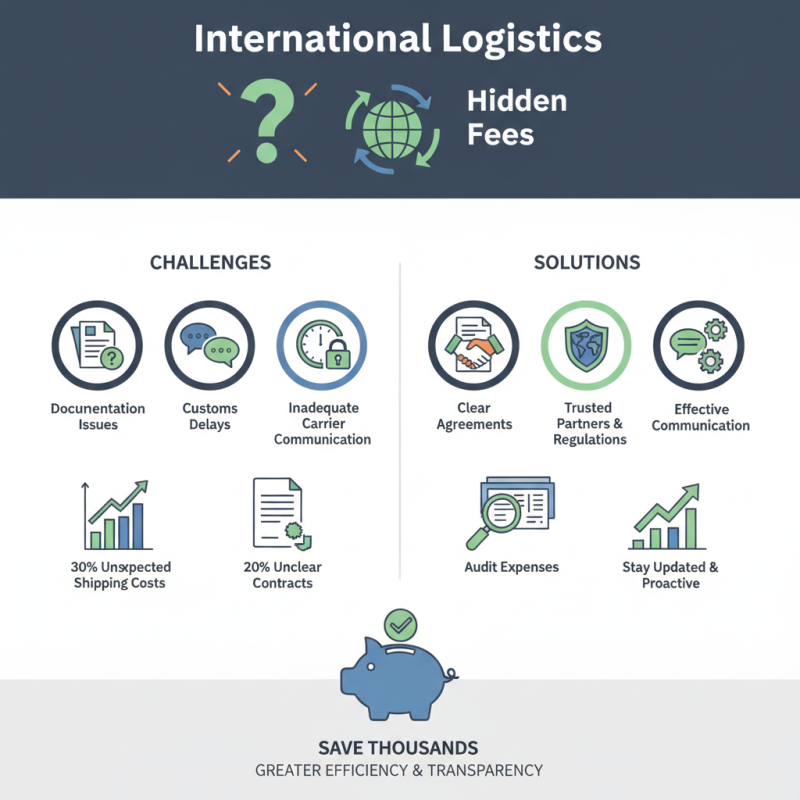
In today’s global economy, international logistics plays a crucial role in trade. However, complexities often lead to hidden fees that can significantly impact a business's bottom line. According to a report from Deloitte, nearly 30% of companies experience unexpected shipping costs. These fees can arise from documentation issues, customs delays, or inadequate carrier communication. Understanding how to avoid hidden fees in international logistics can help businesses save thousands.

Navigating these challenges requires awareness and expertise. Companies often underestimate the importance of clear agreements with logistics providers. A 2021 study by the International Chamber of Commerce revealed that 20% of businesses fail to clarify costs in contracts, leading to unexpected expenses. Developing a strong grasp of international regulations and working with trusted partners are essential strategies. Knowing how to effectively communicate with your logistics team can minimize errors and oversights, ultimately reducing hidden fees.

Identifying potential pitfalls is a continuous process. Businesses should routinely audit their logistics expenses and stay updated on industry trends. Hidden fees can erode profit margins, leading to missed opportunities for growth. By being proactive and educating teams, companies can avoid common mistakes and improve their logistics strategy for greater efficiency and transparency.
Top 10 Tips to Avoid Hidden Fees in International Logistics?

Identify Common Hidden Fees in International Shipping

When navigating international shipping, many hidden fees can catch you off guard. One common fee is the customs brokerage charge. This fee may vary based on your cargo's value and nature. Unexpected handling fees are also prevalent, especially at ports. These charges can arise from additional services you weren't aware of.

To avoid these surprises, ask your logistics provider for a detailed fee breakdown. Transparency helps you understand potential costs upfront. Review the documentation carefully. Errors often lead to extra charges. Additionally, consider customs duties. They can significantly impact your budget if overlooked.

Another tip involves insurance fees. While protecting your shipment is essential, some providers may offer inflated rates. Compare insurance options before committing. Familiarize yourself with local regulations to anticipate extra fees. Understanding these details is crucial for budgeting and planning your supply chain.

Understand Tariffs and Customs Duties Before Shipping

Shipping across borders can be complex, especially when it comes to understanding tariffs and customs duties. These fees can significantly impact your budget. Ignoring them can lead to unexpected costs. Before you ship, research the specific tariffs applicable to your products. Certain categories have higher rates. Look for resources that offer updated tariff schedules for various countries.

Customs duties also vary by destination. Factors such as product classification and country of origin play a role. You need to determine the correct HS code for your items. Mistakes here can result in delays or extra charges. It's essential to accurately declare the value of your shipment as well. Underestimating or overestimating can lead to penalties.

Keeping up with customs regulations is a daunting task. Regulations change frequently. Engaging with experts can help clarify these complexities. Many companies face challenges due to lack of knowledge. A small oversight can lead to larger financial implications. Regularly revisiting your approach to tariffs can prevent unnecessary expenses and improve your international shipping experience.

Evaluate Shipping Contracts for Hidden Charges

When evaluating shipping contracts, hidden charges can significantly impact your logistics budget. A report by the Council of Supply Chain Management Professionals indicates that nearly 20% of logistics costs come from unforeseen fees. Understanding these contracts is crucial for maintaining cost efficiency.

Review every line of your contract. Look for vague terms. Phrases like "variable fuel surcharge" can lead to unexpected costs. Ensure the definitions of charges are clear. This vigilance can save you substantial amounts. A simple mistake in contract interpretation could result in thousands lost.

Ask questions before signing. Engage with suppliers about their pricing structures. Understand the terms of payment and any additional fees. Options like flat-rate pricing might minimize unpredictability. Avoid short-term contracts that may conceal extra costs. The initial savings could quickly vanish. Always prioritize clarity to prevent financial surprises.

Top 10 Tips to Avoid Hidden Fees in International Logistics

Choose the Right Shipping Method to Minimize Costs

When it comes to international logistics, choosing the right shipping method can significantly impact your overall costs. Air freight, for example, is fast but often comes with higher fees. On the other hand, sea freight is more economical for larger shipments but may take longer. Understand what fits your timeline and budget best.

Consider the nature of your goods. Fragile items might require special handling, increasing expenses. Evaluate if your products can withstand longer shipping times. For example, perishable goods need quick transport, leading you to air freight, despite higher costs.

Research varies shipping options. Hidden fees can creep in from dimensions, weight calculations, and customs duties. Always get multiple quotes and read the fine print. This way, you'll know what to expect. Lastly, periodically review your shipping strategy. The logistics landscape changes quickly. Reflecting on past shipments may expose areas for saving.

Communicate Clearly with Your Logistics Provider to Avoid Surprises

Clear communication with your logistics provider is crucial. Often, hidden fees arise from misunderstandings or lack of information. When discussing your shipping needs, ask specific questions. What costs are included in the quote? Are there additional charges for customs or handling? Clarifying these details can save you headaches later.

Frequent updates are key. Stay in touch with your provider throughout the logistics process. Share any changes in your shipment’s details or timeline. A sudden change can lead to unexpected fees if not communicated promptly. Documenting every conversation helps ensure both parties are on the same page.

Reflect on past experiences. Have there been surprises in your logistics costs? Analyze where communications may have faltered. Take note of any vague terms in contracts. By learning from these instances, you can better navigate your logistics needs and minimize hidden fees.

Top 10 Tips to Avoid Hidden Fees in International Logistics

Tip No. Tip Description
1 Communicate Clearly Ensure all terms are discussed before agreement to avoid misunderstandings.
2 Ask About All Possible Fees Request an itemized list of potential fees and costs involved in the process.
3 Understand the Quote Ensure you understand how the quote is structured and what it includes.
4 Review Contracts Carefully Read through all contracts attentively to catch any hidden clauses.
5 Be Aware of Currency Exchange Rates Understand the current exchange rates and how they can affect overall costs.
6 Check for Additional Charges Be vigilant about potential extra charges for things like warehousing or insurance.
7 Work with Experienced Providers Choose logistics providers with a good reputation to reduce risks of hidden fees.
8 Stay Informed on Regulations Keep up to date with international shipping regulations that may incur costs.
9 Use Technology for Tracking Utilize tracking technologies to monitor shipments and prevent unforeseen costs.
10 Ask for Recommendations Seek advice from peers or professionals in logistics to find reliable providers.

FAQS

: What are common hidden fees in international shipping?

: Common hidden fees include customs brokerage charges and unexpected handling fees at ports.

How can I avoid surprises in shipping costs?

Request a detailed fee breakdown from your logistics provider for transparency.

Why is reviewing documentation important?

Errors in documentation can lead to extra charges. Careful review helps avoid this issue.

What should I consider regarding customs duties?

Customs duties can significantly impact your budget, so don't overlook them during planning.

Are insurance fees always reasonable?

Some providers might offer inflated insurance rates. Compare options before committing.

How does the choice of shipping method affect cost?

Air freight is faster but often pricier, while sea freight is economical but slower.

What factors should I evaluate when choosing shipping methods?

Consider the nature of your goods and whether they need special handling or quick transport.

How can I identify hidden fees in shipping quotes?

Get multiple quotes and read the fine print to understand potential hidden fees.

How frequently should I review my shipping strategy?

Regularly review your shipping strategy as the logistics landscape changes quickly.

What might I reflect on to find savings in shipping?

Reflect on past shipments to identify areas for potential cost savings.

Conclusion

When navigating the complexities of international logistics, it is crucial to understand how to avoid hidden fees that can inflate shipping costs. Common hidden fees can include unexpected tariffs, customs duties, and additional charges that may not be outlined in the initial shipping contract. To minimize these costs, it is essential to evaluate shipping contracts thoroughly and to be aware of various tariffs and duties applicable to your shipments.

Choosing the right shipping method is another key strategy to reduce hidden fees, as different options come with varying costs and potential additional charges. Moreover, clear communication with your logistics provider can help ensure that all aspects of the shipping process are understood upfront, helping to avoid surprises. By implementing these strategies, businesses can effectively manage logistics expenses and focus on their core operations.

Henry

Henry

Henry is a dedicated marketing professional with a profound expertise in the company's offerings. With years of experience in the industry, he possesses an impressive understanding of the market dynamics and consumer behaviors that drive success. Henry is committed to sharing his insights through......