Sea freight has become crucial for global trade, especially from China to the USA. However, many businesses feel frustrated by delays. Experts often discuss the complex factors behind these shipping times. According to John Smith, a logistics expert at Global Freight Solutions, "Understanding how long does sea freight take from China to USA can help businesses plan better."
Shipping duration isn’t just about distance. Port congestion, weather conditions, and customs processes all play roles. For instance, containers may sit in ports for days. This uncertainty can disrupt supply chains, forcing businesses to rethink their logistics. But challenges also offer opportunities for improvement.
Many companies struggle with these long timelines. They often underestimate the time needed for international shipping. Companies need to be aware of possible delays. Investing in technology to track shipments can reduce anxiety. Yet, waiting periods may still persist, making it essential to maintain flexibility.
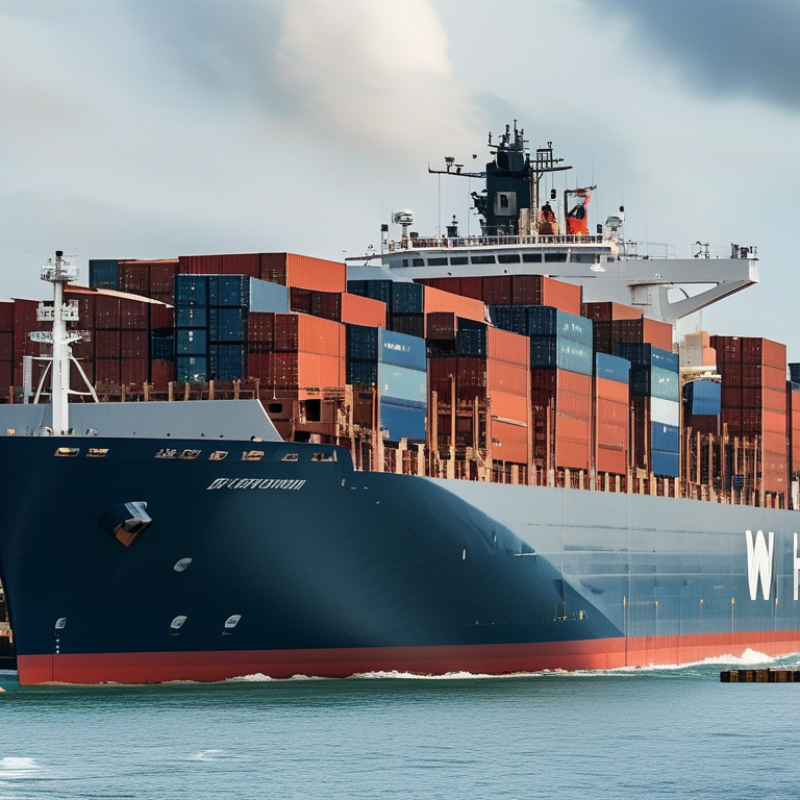
One of the main reasons for delays in sea freight from China to the USA is congestion at ports. Major ports, like Los Angeles and Long Beach, often face heavy traffic. This situation worsens during peak seasons when imports surge. Ships may wait days or even weeks for a berth. Such delays disrupt schedules and increase shipping times.
Additionally, customs clearance can contribute to the lag. Goods must adhere to strict regulations set by US customs. Inspections can take time, potentially holding up shipments. If documents are incomplete or inaccurate, the process slows to a crawl. These issues often arise due to a lack of communication between shippers and importers.
Weather conditions shouldn't be overlooked either. Storms and rough seas can force delays. Shipping routes may change due to safety concerns, leading to longer voyages. These factors combine to create unpredictable shipping times. Distributors and retailers must plan accordingly, understanding that sea freight is not always the quickest option.
Shipping goods from China to the USA often takes longer than expected. Several major factors contribute to this delay. One key factor is port congestion. According to the National Retail Federation, port delays have increased by 30% over the past year due to heightened demand. Ships can spend days waiting to dock, which impacts delivery schedules.
Another significant factor is the complexity of customs clearance. The U.S. Customs and Border Protection agency faces challenges ensuring compliance with new regulations. This process can take anywhere from a few hours to several days. A report from the American Association of Port Authorities highlighted that about 25% of shipments are held up due to customs checks, adding unpredictable timeframes to shipping estimates.
Moreover, the global supply chain has been affected by pandemics and logistical disruptions. Container shortages and increased shipping costs have become prevalent. Some reports indicate that container rates have risen by over 200% in the past year alone. These factors create a ripple effect, making it crucial for shippers to plan well in advance. Delays can impact inventory levels, leading to stockouts or overstock issues for retailers, showing the intricate balance in international logistics.
Port congestion significantly affects sea freight from China to the USA. This issue arises from various factors, including increased global demand and limited port capacity. When multiple ships arrive simultaneously, delays become inevitable. For instance, a single congested port can hold back numerous shipments. The impact on delivery schedules is profound.
Long wait times can disrupt supply chains. Companies may face stock shortages due to delayed shipments. This situation often leads to higher costs. A business might need to expedite shipping or find alternative suppliers. Planning becomes challenging when port congestion is unpredictable. However, not all delays are due to port issues; customs inspections can also slow things down.
Despite advancements in logistics, the problem persists. Some ports struggle to modernize, leading to bottlenecks. Increased automation could help, yet the balance between efficiency and cost remains delicate. Reflecting on this, stakeholders must adapt strategies. Better forecasting and communication can mitigate some issues, but perfection remains elusive. Addressing these challenges requires ongoing effort and innovation.
Customs procedures significantly impact the shipping duration of sea freight from China to the USA. When goods arrive in the United States, customs officials must inspect and clear them. This process involves documentation checks, fee assessments, and potential inspections of the cargo. Each step takes time, often leading to delays.
Additionally, compliance with regulations can complicate matters. Importers may not always have the required paperwork ready. Misunderstandings about tariff classifications or valuation can further stall the process. This lack of preparation can lead to increased waiting times.
Moreover, the sheer volume of shipments traveling between China and the USA strains customs resources. High traffic can mean longer processing times. Inspectors may prioritize certain shipments, causing delays for others. Understanding these dynamics is crucial in managing expectations for shipping times. Each shipment presents its own set of challenges, making predictability difficult.
Seasonal demand plays a significant role in the duration of sea freight from China to the USA. During peak seasons, such as the holiday shopping period, the volume of shipments skyrockets. This surge creates congestion at ports, where containers pile up. Long waiting times for unloading become commonplace. Freight schedules can easily slip, pushing delivery dates further back.
Another factor is the fluctuating rates influenced by seasonal trends. Businesses often face increased costs during high demand seasons. This can lead to more competition for available shipping space. Even smaller companies may struggle to secure timely transport options. Shippers must navigate these complexities while balancing cost and delivery speed.
Logistics providers often face challenges in forecasting demand. Unexpected spikes can disrupt established routines. This uncertainty can affect the reliability of shipping timelines. Many companies find themselves re-evaluating their strategies in response to these challenges. It’s essential for businesses to remain flexible, adapting to changing conditions and demand patterns.
| Time Period | Average Transit Time (Days) | Peak Season Demand (%) | Impact on Delays (Days) | Common Causes of Delays |
|---|---|---|---|---|
| January - February | 20 | 15% | 2 | Weather Disruptions |
| March - April | 18 | 10% | 1 | Dock Congestion |
| May - June | 22 | 25% | 3 | Increased Shipments |
| July - September | 30 | 40% | 5 | Hurricane Season |
| October - December | 25 | 30% | 4 | Holiday Demand |
?
Customs procedures can take hours to days. About 25% of shipments face delays due to customs checks, complicating estimates.
Compliance with regulations often slows down the process. Missing paperwork or misunderstandings can lead to increased waiting times.
During peak seasons, shipment volume spikes, causing port congestion. Delivery dates can easily slip, affecting timelines.
Container shortages and high demand are raising prices. Some rates have increased by over 200% in the past year.
Providers face challenges forecasting demand. Unexpected peaks disrupt routines, making reliable shipping timelines difficult to maintain.
Sea freight from China to the USA is often subject to various delays, making it essential to understand how long does sea freight take from China to USA. Several factors contribute to these extended shipping times, including port congestion, which can significantly impact delivery schedules. High traffic at ports leads to longer wait times for vessels to dock and unload their cargo, thereby delaying the overall shipping process.
Moreover, customs procedures play a crucial role in determining how quickly shipments can clear and enter the destination country. Delays in documentation or inspections can further prolong the timeframe. Additionally, seasonal demand fluctuations can influence shipping timelines, as peak periods often see an influx of goods, complicating logistics. Understanding these elements can help businesses better anticipate and plan for potential delays in their sea freight operations.

RLL Logistics