What Is the Safest Way to Ship High Value Goods from China?

Time:2026-10-10 Author:Oliver
0%

When asking “what is the safest way to ship high-value goods” from China, safety means more than selecting air freight. It requires controlled custody, documented handovers, secure packaging, accurate declarations, and suitable insurance. A single missing scan can matter. A damaged seal can matter more.

The Allianz Commercial Safety and Shipping Review 2024 recorded 26 total losses of large ships in 2023, the lowest level in 15 years. However, the report still highlights fire, weather, machinery failure, and navigational risks. UNCTAD’s Review of Maritime Transport 2024 also describes continuing disruption across major shipping routes. These findings support a practical approach: compare air, ocean, and multimodal routes by risk, not price alone. For compact electronics, jewelry, precision equipment, or valuable samples, air transport may reduce transit exposure. Yet airport handling adds its own custody points.

Industry guidance from the WCO SAFE Framework and ISO 28000 emphasizes trusted partners, supply-chain security controls, and traceable procedures. TAPA’s Incident Information Service continues to document cargo theft and facility-related incidents across global logistics networks. Therefore, use a vetted forwarder, tamper-evident cartons, discreet outer packaging, GPS or milestone tracking, and signature-controlled delivery. Verify export documents and destination requirements before pickup. Insure the shipment according to its real replacement value. Do not assume carrier liability equals full protection. That assumption is too neat. Even experienced shippers can overlook a handoff, a weak pallet, or an unsuitable warehouse. The safest plan is layered, auditable, and reviewed before every shipment.
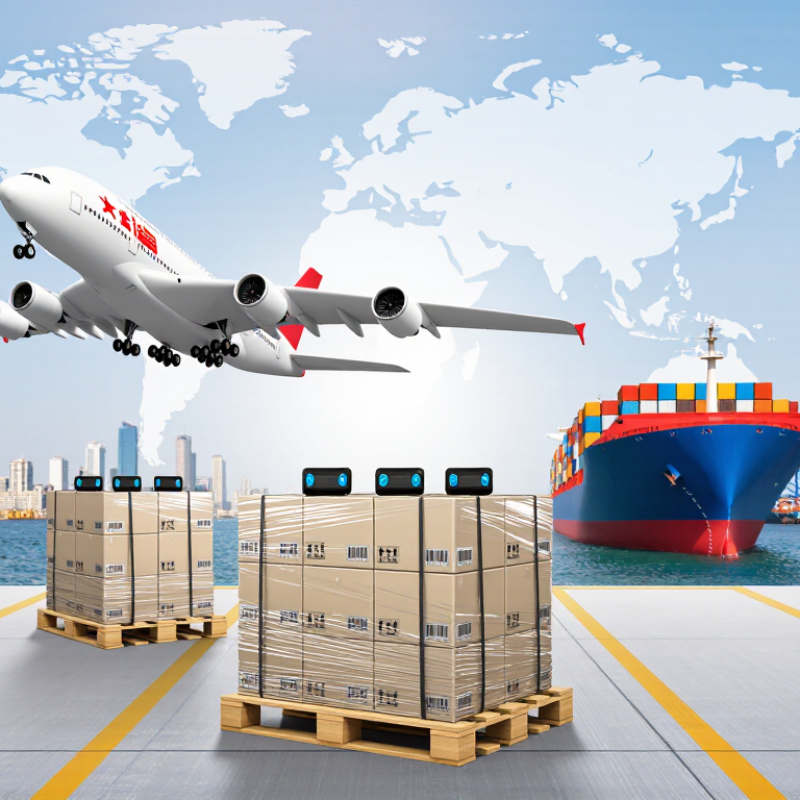
What Is the Safest Way to Ship High Value Goods from China?

Assess the Value, Risks, and Shipping Requirements of Your Goods

Shipping high-value goods from China starts with a realistic assessment, not a quick freight quote. Identify the purchase value, replacement cost, dimensions, weight, and sensitivity to heat or impact. A small precision instrument may need more protection than a larger metal part. Check whether the cargo is fragile, time-critical, or difficult to replace. Keep invoices, packing lists, product photographs, and serial numbers together. These records support accurate declarations and insurance claims.

Risk changes with the route, handling points, and season. Air transport is often faster, but inspections and weather can still cause delays. Ocean freight may reduce costs, yet longer transit requires stronger planning. Use export-ready packaging, internal cushioning, moisture barriers, tamper-evident seals, and clear handling marks. Confirm carrier liability limits and arrange insurance based on the full financial exposure. I have seen careful packaging fail when the outer carton was too weak. That mistake deserves review.

Tips: Ask the supplier for packing tests or photos before pickup. Choose tracking with milestone updates, and restrict delivery access. Verify import documents, duties, permits, and insurance wording with a qualified logistics professional. Do not assume declared value equals covered value. It may not.

Choose the Safest Transport Method and Qualified Logistics Partner

What Is the Safest Way to Ship High Value Goods from China?

Choose the Safest Transport Method and Qualified Logistics Partner

Shipping high-value goods safely starts with matching the cargo to the right transport method. Air freight usually offers faster transit, fewer handling points, and better visibility. Sea freight may suit larger shipments, but it often involves longer storage and more transfers. A qualified logistics partner should explain these risks clearly, rather than promise that one method fits every shipment.

Look for proven experience with sensitive cargo, documented security procedures, and trained staff. Ask how the partner checks warehouse access, verifies drivers, and records each handover. Strong processes may include tamper-evident seals, discreet outer packaging, GPS tracking, and dual verification before release. Request evidence of cargo insurance, licensing, customs knowledge, and claims handling procedures. Vague answers deserve caution.

Details matter.

Use reinforced packaging suited to weight, moisture, and impact. Photograph the packed goods, serial numbers, seals, and loading area before departure. Confirm the delivery address through a separate communication channel. In real shipments, a single incorrect digit can delay clearance or send cargo to the wrong facility. No checklist is perfect. Partners should review near misses honestly and improve their procedures. I would also test their response with a small pilot shipment before moving the entire consignment. A low quoted price can hide weak security, limited tracking, or poor support after pickup.

Prepare Secure Packaging, Documentation, and Cargo Insurance

Shipping high-value goods from China begins with packaging that assumes rough handling. Use a rigid inner box, shock-absorbing material, and a strong outer carton. Leave no empty space around the product. For delicate equipment, add moisture protection and tamper-evident seals. Photograph the item, packaging layers, and sealed carton before collection. These images can support damage claims later.

Documentation deserves equal attention. Prepare a precise commercial invoice, packing list, transport details, and accurate product descriptions. The declared value should match the transaction records. Small inconsistencies can delay customs clearance or trigger additional questions. I recommend checking weights and quantities twice, especially when several cartons look similar. A second review feels slow, but it prevents expensive confusion. Keep digital copies in a secure location, separate from the shipment.

Cargo insurance should reflect the goods’ real replacement value, not simply the freight charge. Confirm whether the policy covers theft, water damage, accidental breakage, and partial loss during transit. Ask about exclusions, claim deadlines, required evidence, and packaging standards. Insurance is not automatic protection. If the packaging is judged inadequate, reimbursement may be reduced or refused. I once underestimated how important written evidence could become. That mistake changed my process: every handover now receives a date, name, seal record, and clear photograph. You cannot remove every risk, but you can make each decision traceable.

Control Customs Clearance, Tracking, and Chain-of-Custody Procedures

What Is the Safest Way to Ship High Value Goods from China?

High-value shipments need controlled customs clearance, not merely fast transportation. The World Bank’s 2023 Logistics Performance Index assessed 139 economies across customs, tracking, and timeliness. These measures show why documentation and visibility must work together. Prepare an accurate commercial invoice, packing list, product description, declared value, and tariff classification before pickup. A customs specialist should review the documents before departure. Small inconsistencies can create costly delays.

UNCTAD’s Review of Maritime Transport 2023 reports that over 80% of global trade by volume moves by sea. That scale increases the importance of custody controls. Use tamper-evident seals, photographed packaging, and a numbered handover record. Require signatures at collection, export inspection, arrival, and final delivery. GPS tracking should provide route updates, geofencing, and exception alerts. Do not rely on one dashboard. That assumption fails. Keep records in an access-controlled system, with timestamps and named users. Independent checks are still valuable, though they add time and cost.

Tips: Ask for customs status at every milestone, not only at dispatch. Match the seal number with the delivery record. Confirm the receiver’s identity before release. Test the tracking device before loading. If an alert appears, pause the handover and document the decision. A perfect process is unlikely; regular review makes weak points visible.

What Is the Safest Way to Ship High Value Goods from China? - Control Customs Clearance, Tracking, and Chain-of-Custody Procedures

Control Area Recommended Procedure Required Evidence or Data Primary Risk Controlled Recommended Timing
Pre-shipment verification Confirm the shipper, consignee, cargo description, declared value, export eligibility, and destination import requirements before booking. Commercial invoice, packing list, purchase order, product classification, origin details, and contact information. Incorrect declarations, shipment delays, seizure, and avoidable customs penalties. Before booking
Product classification Use the correct Harmonized System code and verify whether the goods require permits, certificates, or special handling. HS code, technical specifications, material composition, country of origin, and applicable regulatory documents. Misclassification, underpayment of duties, import rejection, and regulatory non-compliance. Before export filing
Secure packaging Use tamper-evident seals, concealed packaging where appropriate, shock protection, moisture protection, and packaging suited to the transport mode. Packaging checklist, seal numbers, photographs, package dimensions, gross weight, and condition report. Theft, tampering, impact damage, moisture damage, and disputes over shipment condition. At packing
Chain of custody Record every handover from the warehouse to the final consignee, including identity checks, timestamps, seal condition, and package count. Signed handover records, scan events, vehicle or container references, seal verification, and exception notes. Untraceable custody gaps, unauthorized access, loss, and responsibility disputes. At every handover
Shipment tracking Use event-based tracking with origin acceptance, export clearance, departure, arrival, import clearance, delivery attempt, and proof-of-delivery milestones. Tracking number, milestone timestamps, exception alerts, location events, and delivery confirmation. Late detection of delays, route deviation, missed clearance events, and delivery failure. Throughout transit
Export customs clearance Submit accurate export documentation and ensure the shipment is not released until required customs processing is complete. Export declaration reference, commercial invoice, packing list, transport document, and any required license or certificate. Cargo holds, documentation mismatches, unauthorized export, and departure delays. Before departure
Import customs clearance Prepare the importer of record, tariff classification, customs value, origin information, and duty or tax payment process in advance. Import declaration, customs value, duties and taxes, permits, certificates, and broker authorization where applicable. Customs holds, storage charges, incorrect duty assessment, and delivery delays. Before arrival
Insurance coverage Select coverage that reflects the true replacement value and confirm exclusions, deductibles, claim deadlines, and evidence requirements. Insurance certificate, declared value, policy terms, packaging records, photographs, and damage or loss report process. Unrecoverable financial loss caused by theft, damage, loss, or limited carrier liability. Before handover
Access control Limit shipment information and physical access to authorized personnel; verify identities before releasing cargo or documents. Access logs, authorization list, identity verification record, release instruction, and visitor or driver details. Insider theft, social engineering, unauthorized collection, and information leakage. At each facility
Exception management Define escalation rules for missing scans, broken seals, route deviations, customs inspections, damage, or delivery to an unauthorized party. Exception log, alert time, investigation record, photographs, corrective action, and stakeholder notification. Slow response, evidence loss, unresolved claims, and repeated control failures. Immediately after alert
Final delivery Deliver only to the named consignee or an explicitly authorized recipient after checking identification, package count, seal condition, and visible damage. Proof of delivery, recipient name, signature or electronic confirmation, delivery timestamp, photographs, and condition report. Wrong-party delivery, concealed damage disputes, and incomplete delivery records. At destination
Document retention Store customs, transport, insurance, custody, and delivery records according to applicable legal, tax, and internal audit requirements. Complete digital shipment file with controlled access, version history, and an indexed audit trail. Inability to prove compliance, defend a claim, or reconstruct the shipment history. After delivery and for the applicable retention period
Practical control principle: For high-value shipments, combine accurate customs documentation, continuous milestone tracking, documented custody handovers, tamper-evident packaging, appropriate insurance, and verified delivery authorization. Requirements may vary by product, destination, transport mode, and applicable law.

Inspect Delivery and Resolve Loss, Damage, or Delay Claims

What Is the Safest Way to Ship High Value Goods from China?

Inspection should begin before the container leaves the factory. Photograph the product, seals, cartons, labels, and pallet corners. Record serial numbers and the exact package count. Use a timestamped video when opening the shipment. For fragile goods, weigh several cartons and compare them with the packing list. This simple evidence can expose shortage, substitution, or concealed damage. The World Bank’s 2023 Logistics Performance Index identifies tracking and shipment timeliness as important reliability measures. Do not guess.

At delivery, write visible damage on the delivery receipt before signing. Use precise language, such as “two crushed cartons and broken internal supports.” Ask the driver or warehouse representative to countersign the record. Keep the receipt, commercial invoice, packing list, inspection report, photographs, and temperature logs together. According to Allianz Commercial’s Safety and Shipping Review 2024, 26 large ships were total losses in 2023, despite a long-term decline. Rare events still create serious claims. That weakness matters.

Notify the seller, carrier, freight forwarder, and insurer quickly. Check the transport contract for notice periods; some claims fail because evidence arrives late. Separate damaged goods without repairing or discarding them. Request a joint survey when the loss is disputed. A practical claim should state the shipment number, delivery date, quantity affected, cause, and financial amount. I have found that concise timelines work better than emotional emails. They are not perfect, but they reduce argument. If delivery is delayed, preserve tracking records and document production stoppage, storage fees, and customer impact.

FAQS

How should I assess high-value goods before shipping?

Record purchase value, replacement cost, dimensions, weight, and sensitivity to heat or impact. A small instrument may need stronger protection than a large metal part. Keep invoices, packing lists, photographs, and serial numbers together. Do not rely on a quick freight quote.

Which transport method is safer for valuable cargo?

Air transport usually provides faster delivery, fewer handling points, and better shipment visibility. Sea transport may reduce costs for large cargo, but transit takes longer. Longer journeys require stronger moisture protection and storage planning. No method removes every risk.

What packaging helps protect delicate goods?

Use a rigid inner box, shock-absorbing material, and a reinforced outer carton. Fill empty spaces so the product cannot move during handling. Add moisture barriers for sensitive equipment. Apply tamper-evident seals and clear handling marks. Weak cartons can ruin careful planning.

What documents should accompany valuable shipments?

Prepare an accurate commercial invoice, packing list, transport details, and product description. Check weights and quantities twice when cartons look similar. Keep secure digital copies away from the physical shipment. Small inconsistencies may delay customs clearance.

How can I select a reliable logistics partner?

Ask about sensitive-cargo experience, warehouse access controls, driver verification, and handover records. Request evidence of licensing, insurance, customs knowledge, and claims procedures. A capable partner should explain route risks clearly. Vague answers deserve caution.

What shipment security steps should I request?

Consider discreet packaging, tamper-evident seals, milestone tracking, and restricted delivery access. Photograph the packed goods, serial numbers, seals, and loading area. Confirm the delivery address through a separate communication channel. One incorrect digit can redirect a shipment.

How should cargo insurance be arranged?

Base insurance on the goods’ full replacement value, not only the freight charge. Confirm coverage for theft, water damage, accidental breakage, and partial loss. Ask about exclusions, claim deadlines, evidence, and packaging requirements. Declared value may not equal covered value.

Should I test the logistics process before shipping everything?

A small pilot shipment can reveal weak tracking, poor communication, or fragile packaging. Record each handover with a date, name, seal number, and photograph. Review near misses honestly and adjust the process. My checklist is not perfect.

Conclusion

When asking what is the safest way to ship high-value goods, begin by assessing the item’s value, fragility, size, destination, time sensitivity, and potential security risks. These factors help determine whether air, ocean, rail, or specialized ground transportation is most suitable. Select a qualified logistics partner with experience in valuable cargo, clear security procedures, reliable communication, and a verifiable record of successful deliveries.

Use strong, tamper-evident packaging with internal protection appropriate for the goods, and ensure that invoices, packing lists, permits, and customs information are accurate and complete. Comprehensive cargo insurance can provide additional financial protection against covered loss or damage. Throughout transit, maintain tracking visibility and documented chain-of-custody controls, including handover records and access restrictions. At delivery, inspect the shipment immediately, record its condition with photographs, and report any shortage, damage, or delay promptly according to the carrier’s claims procedures.

Oliver

Oliver

Oliver is a seasoned marketing professional with a wealth of expertise in driving brand awareness and engagement. With a deep understanding of our company's product offerings, he consistently delivers high-quality content that enriches our professional blog. His insights not only shed light on......