As we move towards 2026, optimizing supply chain costs has become a focal point for businesses. Local warehousing presents a viable strategy. According to a recent report by the Council of Supply Chain Management Professionals (CSCMP), organizations that utilize local warehousing can reduce transportation costs by up to 20%. This approach also speeds up delivery times, enhancing customer satisfaction.
Industry expert Dr. Emily Carter emphasizes, “Local warehousing allows for greater flexibility and responsiveness.” This sentiment highlights the growing importance of proximity in supply chain strategies. However, businesses must also consider potential downsides. Investing in local facilities can increase fixed costs. Properly analyzing operational efficiencies is crucial.
Understanding how to optimize supply chain costs with local warehousing requires a careful balance of these factors. Companies need to assess their supply chain needs, customer demands, and cost implications. Failing to do so may lead to overspending or inefficiencies. Local warehousing offers significant opportunities, but it is not without its challenges.
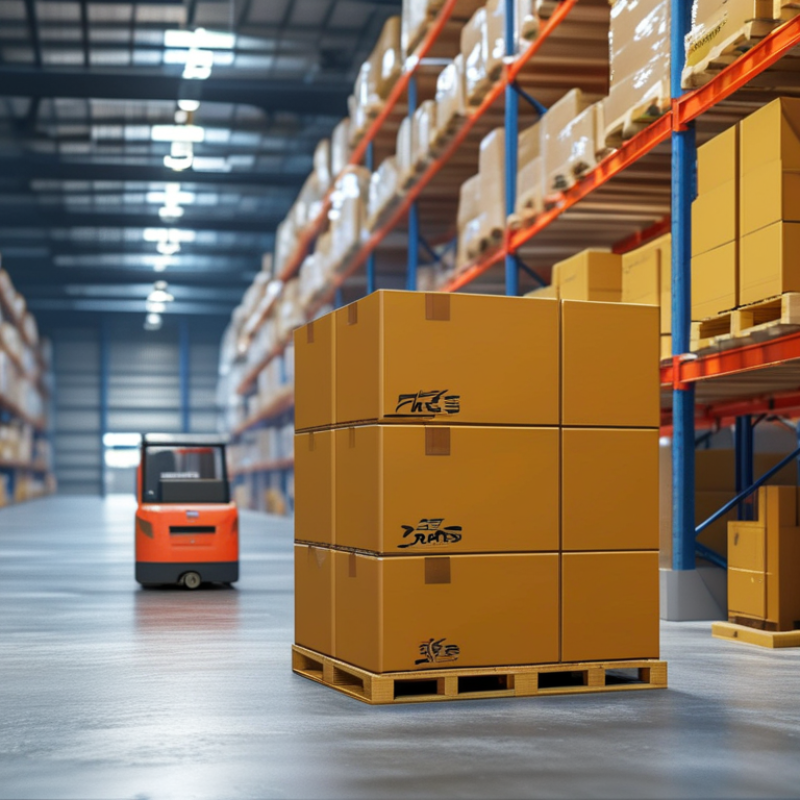
In 2026, local warehousing will play a critical role in supply chain optimization. By strategically positioning warehouses closer to consumers, businesses can significantly cut transportation costs. This reality creates opportunities to shed excess inventory and reduce storage expenses too. With faster delivery times, customer satisfaction is likely to improve, driving repeat business.
However, not every local warehousing approach is without challenges. Initial setup costs can be substantial. Planning the right locations requires careful analysis of demographics and demand patterns. Businesses must remain flexible to adapt as market conditions change. This can lead to efficiency gains but also potential pitfalls if not implemented properly.
Despite potential drawbacks, the focus on local warehousing highlights its positive impact on supply chain costs. A more agile supply chain can respond swiftly to market changes. It is crucial for decision-makers to weigh these factors. They must embrace experimentation and learn from any missteps along the way. The overall benefits could outweigh the risks, shaping the future of efficient supply chains.
This chart illustrates the projected cost reductions achieved through local warehousing strategies across various supply chain sectors in 2026. The data highlights significant improvements in logistics, storage, and inventory management costs.
In 2026, optimizing supply chain costs remains crucial for businesses.
Local warehousing emerges as a strategic solution. Companies can reduce transportation expenses by positioning warehouses closer to customer bases.
According to a recent industry report, companies utilizing local warehousing experience up to a 20% reduction in logistics costs.
This is a substantial savings that can directly impact the bottom line.
Key metrics to evaluate the cost efficiency of local warehousing include order fulfillment time and inventory turnover rates.
Research indicates that local warehouses can achieve an order fulfillment rate of over 90% within 24 hours.
However, maintaining optimal inventory levels is challenging. Too much inventory can lead to increased holding costs, while too little may result in stockouts.
Another metric to consider is the total landed cost, which combines shipping, warehousing, and handling expenses.
An analysis found that local warehousing can lower total landed costs by about 15%.
Yet, this approach is not without risks. Businesses must ensure they have reliable data on demand forecasting to avoid overcommitting resources.
Proper assessments are crucial to transitioning to local warehousing effectively.
In 2026, local warehousing emerged as a game-changer for supply chain optimization. Case studies from various sectors show significant cost savings. For instance, a logistics firm reduced fulfillment costs by 25% through localized storage. This shift enabled them to respond better to regional demand fluctuations.
One notable implementation involved a food distribution company that built several micro-warehouses within urban areas. By doing so, they reduced delivery times by up to 40%. This model not only improved efficiency but also enhanced customer satisfaction. However, the transition wasn’t without challenges. Many businesses faced initial investment hurdles and difficulties in establishing local partnerships.
A report from the Global Supply Chain Institute indicates that over 45% of firms experienced initial hiccups during local warehousing integration. Issues such as inventory management and staff training were common. Despite these setbacks, the long-term benefits often outweighed early struggles, proving that local warehousing can indeed streamline operations and lower costs significantly.
Local warehousing is transforming supply chain management. In 2026, businesses can utilize emerging technologies to maximize efficiency. Advanced data analytics and machine learning can forecast demand patterns. These tools enable more accurate inventory management and reduce excess stock. Real-time tracking systems enhance visibility. Companies can respond quickly to fluctuations in customer needs.
Automation is another game-changer. Robotics streamline sorting and packing processes. This not only accelerates operations but also minimizes human error. While the initial investment in technology can be high, the long-term savings are significant. The challenge lies in finding the right balance between technology and human oversight. Not all tasks can be automated effectively.
Sustainability is also a key concern. Eco-friendly practices in local warehousing can cut costs and attract customers. Energy-efficient systems reduce utility expenses. However, the integration of these practices requires careful planning. Companies must avoid overestimating the short-term gains. Practical implementation often leads to unexpected challenges that require ongoing adjustments.
In 2026, local warehousing could reshape supply chains drastically. Trends indicate businesses are investing more in regional fulfillment centers. This approach reduces transportation costs and speeds up delivery. However, one must consider the implications of this shift. It's essential to analyze the local workforce and capacity intricacies.
As operational costs vary, businesses may face unexpected challenges. Local warehousing often requires significant upfront investment. Yet, if executed well, it streamlines inventory management and enhances responsiveness to market changes. Companies must also adapt to fluctuating demand. Understanding local consumer behaviors can make or break this strategy.
Moreover, technology plays a critical role in optimizing these operations. AI and data analytics can drive efficiencies in stock levels and order processing. Still, many firms struggle to integrate these tools effectively. Ignoring potential pitfalls, like inadequate planning or reliance on outdated systems, can lead to costly mistakes. Thoughtful consideration and strategic foresight are crucial for success in local warehousing.
: Local warehousing reduces transportation costs by positioning warehouses closer to consumers, allowing for quicker deliveries.
Faster delivery times improve customer satisfaction, which can lead to repeat business and increased sales.
Initial setup costs can be high, and firms must analyze demographics and demand carefully to choose locations.
Market conditions can change rapidly, and businesses need to adapt to maximize efficiency and avoid pitfalls.
Technologies like data analytics can enhance inventory management, reducing excess stock and improving response times.
Automation speeds up sorting and packing processes, minimizing errors and enhancing overall operational efficiency.
Many firms face initial hiccups like inventory management problems or the need for staff training during the transition.
Yes, eco-friendly practices can lower utility expenses and attract environmentally-conscious customers, but require careful planning.
While high, initial investments can lead to long-term savings, but companies must balance technology and human oversight.
Planning is vital, and firms should prepare for unexpected challenges during practical implementation for successful transitions.
In 2026, businesses are increasingly recognizing how to optimize supply chain costs with local warehousing. The implementation of local warehousing can significantly reduce costs by minimizing transportation expenses and improving delivery times. Key metrics, such as inventory turnover rates and order fulfillment times, should be evaluated to understand the cost efficiency of local warehousing strategies.
Case studies from 2026 illustrate successful local warehousing implementations across various industries, showcasing their ability to enhance supply chain performance. Furthermore, emerging technologies, such as automation and real-time data analytics, present new opportunities for cost optimization within local warehousing. As we look forward, forecasting future trends indicates that the strategic adoption of local warehousing will continue to play a crucial role in shaping efficient and cost-effective supply chain operations.

RLL Logistics