When exploring the complexities of rail freight between China and Europe, one question stands out: "what documents are needed for China-Europe rail freight?" Industry expert Dr. Alice Zhang emphasizes, "Proper documentation ensures a smooth transit and minimizes delays." Her insight highlights the importance of a well-organized paper trail.
Rail freight is a crucial part of the New Silk Road, but the documentation process can be overwhelming. Importers and exporters must navigate a maze of regulations and paperwork. Common documents include the bill of lading, commercial invoice, and customs declaration. Each document plays a significant role in ensuring compliance and facilitating seamless transport.
However, the reality is that many businesses overlook critical paperwork or fail to understand its significance. This can lead to costly delays. Therefore, understanding what documents are required is not just beneficial; it’s essential for successful shipping operations between these two vast markets.
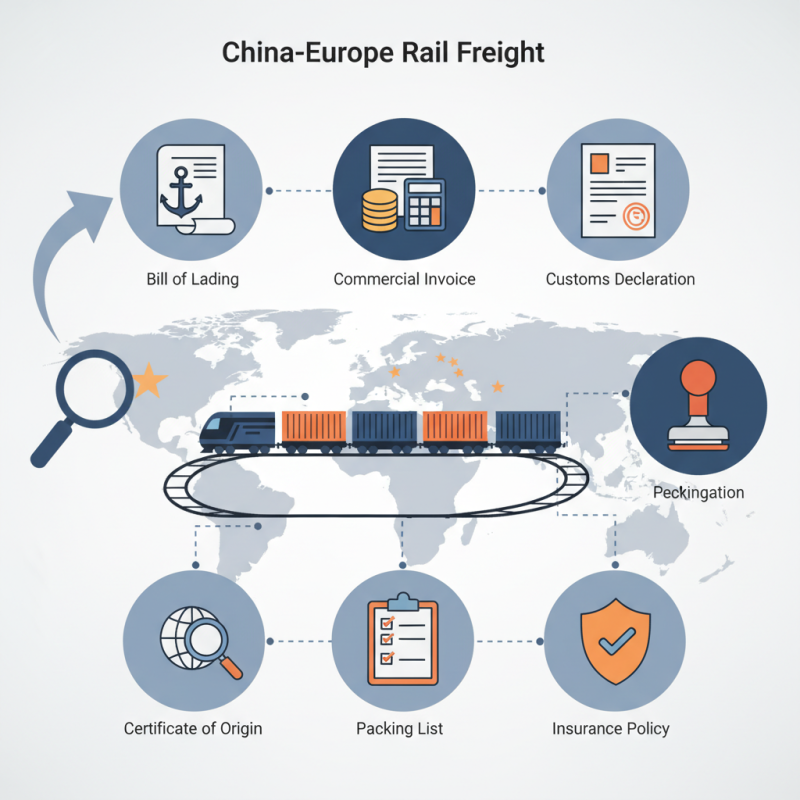
When transporting goods via the China Europe Rail Freight service, proper documentation is essential. Businesses must understand the required documents to ensure smooth transit. The primary documents include the Bill of Lading, Commercial Invoice, Packing List, and customs declarations. Each serves a unique purpose in the logistics chain. Precision in these documents can prevent delays and facilitate seamless customs clearance.
A recent report by the European Commission highlights that about 30% of rail freight delays stem from incomplete documentation. Thus, accuracy is not just a best practice; it is essential for timely delivery. Companies often overlook minor details, risking potential fines and shipment holds. The packing list, for example, should match the actual contents precisely. Failing to do so may trigger inspections, adding to transit time.
Tips:
When transporting goods via rail from China to Europe, specific customs documents are essential. Accurate and complete documentation is crucial for a smooth transit. The primary document required is the bill of lading, which acts as a receipt and contract between the shipper and carrier. This document must detail the nature and quantity of the goods being transported.
In addition to the bill of lading, a customs declaration form is mandatory. This form provides customs authorities with necessary details about the shipment. It should list all items, their classification, and respective values. Missing or incorrect information can lead to delays and additional fees. Export licenses might also be required, especially for certain goods.
A certificate of origin may be needed to verify where the goods come from. This document can influence tariffs and duties. Ensuring all documentation is accurate is vital but can be challenging. Errors may occur, leading to complications during the shipping process. It is advisable to double-check each requirement and consult with experts if needed. Adequate preparation can prevent potential issues down the line.
When shipping goods via the China-Europe rail freight route, having precise documentation is crucial. The two key documents are the commercial invoice and the packing list. These documents serve as the backbone of the shipping process, detailing what is being transported and ensuring smooth customs clearance.
The commercial invoice outlines the transaction between the seller and buyer. It specifies the item descriptions, quantities, prices, and payment terms. A well-prepared invoice helps avoid misunderstandings during customs inspections. Missing or incorrect details can lead to delays. It’s critical to keep this document clear and accurate.
The packing list complements the invoice by providing a detailed breakdown of how goods are packed. It includes information like weights, dimensions, and packaging methods. Rail authorities rely on this list to assess cargo handling requirements. An incomplete packing list can cause confusion and unexpected complications. Inspecting both documents beforehand can prevent such issues.
When shipping goods via the China-Europe Rail Freight route,
certificates of origin and
quality standards are crucial.
These documents assure receiving countries that products meet specific requirements.
According to a recent industry report, about 70% of rail freight shipments face delays due to
incomplete documentation. Ensuring proper paperwork can significantly cut down on transit times.
Certificates of origin confirm where the goods are produced. This is vital for customs clearance.
Quality standards guarantee that products comply with safety and health regulations. For instance,
the EU sets strict guidelines for imports.
Failing to adhere can result in hefty fines or product rejections. It's essential to stay updated on these requirements.
Tip: Always check the importing country’s specific regulations.
Small mistakes can lead to delays. A recent study found that about 30% of shipments are sent back due to
minor documentation errors. Double-checking documents can save time and costs. In the fast-paced logistics sector,
attention to detail matters immensely.
Insurance is a crucial aspect of rail freight transport between China and Europe. Given the high value of goods transported, having the right coverage is essential. According to industry reports, freight losses can reach an alarming rate of 1% per shipment. This risk emphasizes the importance of adequate insurance and liability documentation. Proper insurance protects against potential losses due to theft, damage, or delays.
Liability documentation is also vital in this process. It outlines the responsibilities of each party involved in the transport. Clear guidelines help in resolving disputes. The International Union of Railways (UIC) suggests that proper documentation reduces the risk of misunderstandings significantly. Around 20% of freight claims arise from lack of clarity in liability agreements. A well-defined contract can mitigate these issues and ensure smoother operations.
However, challenges remain. Many companies underestimate the complexities of insurance clauses. Misinterpretations can lead to significant financial setbacks. Additionally, not all insurers cover every aspect of rail freight, leading to unexpected gaps in coverage. This underlines the importance of consulting professionals with relevant expertise to navigate the complexities of insurance and liability documentation effectively.
: The essential documents are the commercial invoice and packing list.
It details the transaction, item descriptions, quantities, prices, and payment terms.
A clear invoice helps avoid misunderstandings during customs inspections.
Incorrect details can lead to delays and complications in the shipping process.
The packing list includes weights, dimensions, and packaging methods of goods.
It can cause confusion and unexpected issues with cargo handling.
They confirm the production location of goods, aiding customs clearance.
They guarantee compliance with safety and health regulations.
Non-compliance can result in fines or rejection of products.
Always check importing country regulations and double-check documents.
When considering what documents are needed for China-Europe rail freight, it is essential to have a clear understanding of the various types of documents that facilitate smooth transport. Key components include customs documents that ensure compliance with regulations for international shipping. Additionally, commercial invoices and packing lists are critical, as they provide detailed information about the goods being transported, including quantities and values.
Furthermore, certificates of origin and quality standards play a significant role in verifying the provenance and quality of the goods, which can affect tariffs and market access. Lastly, securing insurance and liability documentation is crucial for protecting against potential losses or damages during transit. Understanding these requirements is vital for anyone involved in China-Europe rail freight logistics.
RLL Logistics