7 Tips What Is DDP Shipping and How Does It Work?

Time:2026-09-10 Author:Sienna
0%

For online sellers and importers, delivery terms can shape the entire customer experience. One unclear responsibility may create a delayed parcel, an unexpected customs bill, or a frustrated buyer. This guide explains what is DDP shipping and how does it work through seven practical tips. DDP means Delivered Duty Paid under the Incoterms 2020 framework. The seller generally arranges transport, export procedures, import clearance, duties, and taxes until the goods reach the agreed destination.

The process sounds straightforward. It is not always simple. A seller may quote one landed price, while customs authorities apply different tax rules or documentation requirements. Imagine a carton leaving a warehouse in Shenzhen and arriving at a customer’s office in Berlin. The seller must coordinate the carrier, commercial invoice, product classification, import entry, and final delivery. A small mistake in the HS code can slow that carton for days.

The following tips focus on practical decisions, including cost calculation, supplier verification, customs documents, delivery addresses, and risk control. They also highlight common assumptions that deserve a second look. DDP may offer convenience, but it does not remove every shipping risk. Product restrictions, destination rules, tax registration, and carrier policies still matter. Experienced logistics teams confirm these details before accepting an order. They also keep written records of quotes and responsibilities.

Use this guide as a planning tool, not a replacement for current customs advice. Rules can change. Check carefully. That habit protects margins and builds trust.
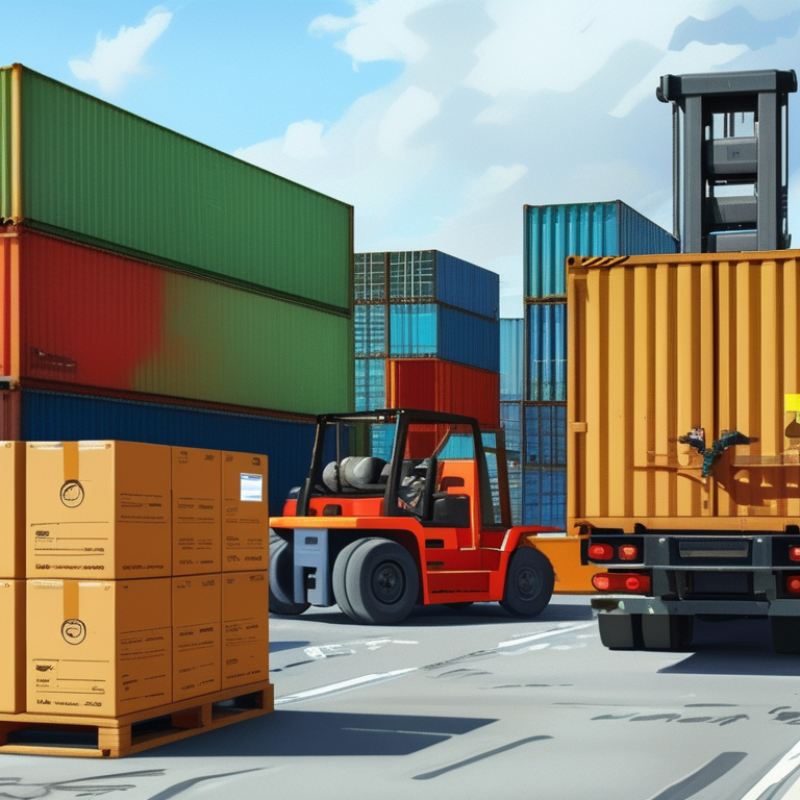
7 Tips What Is DDP Shipping and How Does It Work?

What Is DDP Shipping and What Does It Include?

DDP shipping means Delivered Duty Paid. Under Incoterms 2020, the seller manages transport, export procedures, import clearance, duties, and taxes until the goods reach the agreed destination. The seller also carries the risk during transit. The buyer usually receives the shipment ready for unloading, with fewer customs tasks to handle.

The cost can include freight, insurance if separately agreed, customs brokerage, import duty, value-added tax, and final delivery. It does not automatically include unloading, storage, or unexpected inspection charges. The sales contract should define these details clearly. The World Trade Organization reported global merchandise trade worth about US$24 trillion in 2023. That scale shows why small customs errors can create expensive delays.

DDP is useful when a seller understands the destination country’s tax rules and product requirements. It can give buyers a clearer landed cost before payment. But “all-inclusive” is not always accurate. Tax rates, currency values, and customs classifications may change. The United Nations Conference on Trade and Development reports that over 80% of global merchandise trade by volume moves by sea, where schedule changes can affect delivery costs. In practice, experienced sellers leave a risk buffer and verify the importer-of-record arrangement before quoting. This step is often missed. A low DDP price can later become an uncomfortable dispute.

How Does the DDP Shipping Process Work Step by Step?

DDP shipping means Delivered Duty Paid. The seller manages export clearance, transport, import customs, duties, taxes, and delivery to the agreed destination. The buyer usually receives the parcel without arranging payment at arrival. However, the exact obligations depend on the sales contract and the named delivery place.

How Does the DDP Shipping Process Work Step by Step?

The process begins when the seller confirms the product details, destination, shipping cost, and DDP terms. Accurate invoices, packing lists, product descriptions, and classification codes are essential. The carrier then collects the shipment and completes export procedures. After international transport, the shipment reaches the destination country. The seller, or an appointed representative, submits import documents and pays the assessed duties and taxes. Customs may ask for clarification. Delays can happen here. Once released, the carrier completes last-mile delivery to the agreed address.

Tip: Check whether the seller can legally act as the importer in the destination country. DDP may be difficult where foreign sellers cannot obtain the required registration. Confirm tax treatment before payment. Also, compare the quoted price with shipping insurance, handling charges, and possible storage fees. In practice, one missing product detail can create unexpected customs questions. A careful seller shares tracking updates and keeps copies of clearance records. Buyers should review the delivery address closely, because DDP covers the named destination, not every location beyond it.

Who Pays for DDP Shipping Costs, Duties, and Taxes?

Under Delivered Duty Paid, the seller usually pays the shipping charges, import duties, customs clearance fees, and applicable taxes. The buyer pays the agreed purchase price, which normally includes these costs. The seller also carries responsibility for the goods until they reach the named destination, except for unloading unless the contract states otherwise.

This sounds simple. It is not always simple.

The seller must classify the products correctly, prepare accurate commercial invoices, and confirm the destination country’s tax rules. A wrong tariff code can create extra duty, storage charges, or customs delays. For example, a shipment valued at $2,000 may also include freight, insurance, import duty, and value-added tax in the final landed cost. These charges should appear clearly in the quotation.

The buyer should still check the delivery terms carefully. Some destinations restrict DDP arrangements or require the importer to hold a local tax registration. In those cases, the buyer may need to pay certain taxes directly, even when the seller advertises DDP shipping. That detail is easy to miss. Ask who acts as the importer of record, who handles customs communication, and whether unloading is included. A written cost breakdown is safer than a low headline price. Even experienced sellers can underestimate local fees. Rechecking the estimate before shipment is a practical habit.

7 Tips: What Is DDP Shipping and How Does It Work? — Who Pays for DDP Shipping Costs, Duties, and Taxes?

Tip Key Dimension What DDP Means Who Usually Pays or Acts? How It Works in Practice
1 Understand the Incoterm DDP means Delivered Duty Paid. It is an international trade rule that defines delivery responsibilities, costs, and risk. The seller carries the main delivery obligations up to the named destination. The sales agreement should state the destination precisely, such as a warehouse, address, or terminal, together with “DDP” and the relevant Incoterms version.
2 Determine the seller’s shipping costs The seller generally arranges and pays for transportation to the named destination, including export procedures and customary transit costs. Seller: freight, export clearance, and delivery costs included under the agreed DDP price. The seller selects or contracts the carrier and builds expected freight, handling, documentation, and delivery charges into the quoted price.
3 Clarify import clearance Under DDP, the seller is responsible for arranging import customs clearance where legally permitted. Seller: import documentation, customs formalities, and communication with the customs representative. The seller or its appointed customs broker submits accurate invoices, classifications, values, permits, and origin information before release.
4 Identify duties and import taxes DDP normally places import duties, tariffs, and applicable import taxes on the seller rather than charging them separately to the buyer. Seller: pays assessed import duties and taxes, subject to local law and the contract. The final amount depends on the customs value, product classification, country of origin, trade measures, tax rules, and any available exemptions.
5 Know when risk transfers The seller generally bears the risk of loss or damage until the goods are made available to the buyer at the named destination, ready for unloading. Seller: risk during transport to the agreed destination. Buyer: risk after delivery as defined by the contract. The buyer should inspect the shipment promptly and document visible damage or shortages according to the carrier and sales-contract procedures.
6 Check unloading and local restrictions DDP delivery normally does not require the seller to unload the goods at the destination unless unloading is separately agreed. Buyer: usually provides unloading resources and accepts the goods at the agreed location. The parties should confirm unloading charges, delivery time windows, storage fees, inspection requirements, and whether the seller can legally act as importer.
7 Review the total landed cost A DDP quote should reflect the expected total cost of bringing the goods to the named destination, not only the international freight charge. Seller: estimates and pays included charges. Buyer: verifies what is included and pays the agreed purchase price. Compare product price, freight, insurance if arranged, clearance, duties, taxes, handling, delivery, possible surcharges, and exclusions before accepting the quotation.
Important note: DDP responsibilities can be affected by local customs, tax, import-registration, licensing, and delivery laws. Confirm whether the seller is legally able to act as importer of record and specify any excluded charges in the written sales contract.

Seven Practical Tips for Using DDP Shipping Successfully

7 Tips: What Is DDP Shipping and How Does It Work?

Seven Practical Tips for Using DDP Shipping Successfully

DDP means the seller manages export, import clearance, duties, taxes, and final delivery. It creates a smoother checkout experience, but the seller carries more financial and operational risk.

Map every cost before publishing a price. Include freight, insurance, customs fees, taxes, storage, and possible inspection charges.

Use accurate HS codes. A small classification error can change the landed cost. Confirm VAT or GST rules for each destination. Keep tax registration details current.

Choose a customs broker with proven experience in the target market. Share commercial invoices, packing lists, and product descriptions early. Missing data often causes avoidable delays.

Give customers realistic delivery windows. Do not promise the fastest possible transit time. UNCTAD reports that over 80% of global merchandise trade by volume moves by sea, so port congestion can affect schedules. The World Bank’s 2023 Logistics Performance Index gave global timeliness an average score of 3.0 out of 5. Build a buffer.

Provide door-to-door tracking. Review shipment exceptions every day. Track duties, clearance time, damage, and delivery performance by route.

Audit invoices against broker statements each month. Returns need a written process, especially when taxes are difficult to recover.

Test one destination first. Then expand carefully. A perfect DDP workflow is unlikely; even experienced teams should review assumptions after the first shipment.

(Sources: UNCTAD Review of Maritime Transport 2023; World Bank Logistics Performance Index 2023)

DDP Shipping Benefits, Risks, and Common Mistakes

DDP shipping means Delivered Duty Paid. Under ICC Incoterms 2020, the seller manages export, transport, import clearance, duties, and taxes. The buyer receives a clearer landed cost. That feels simple.

For online sellers, DDP can reduce surprise charges at the door. It may also improve delivery acceptance and customer trust. UNCTAD’s Review of Maritime Transport 2024 reports that shipping carries over 80% of global merchandise trade by volume. Small documentation errors can therefore affect large, connected networks. The World Bank’s 2023 Logistics Performance Index covers 139 economies and highlights major differences in customs efficiency and shipment reliability.

The risks are easy to underestimate. Sellers may miscalculate taxes, classify goods incorrectly, or overlook destination-specific registration requirements. Cash flow can suffer when duties are paid before revenue arrives. Returns create another problem. Who pays import charges when a parcel comes back?

Common mistakes include using DDP when the seller cannot legally act as importer, confusing DDP with DAP, and quoting freight without a tax buffer. A practical checklist should verify the HS code, tax basis, consignee details, and return route. Keep records.

The weak point is often local knowledge. DDP is not automatically cheaper. It is only predictable when the seller controls the full cost chain. Reviewing customs data monthly is wiser than trusting one attractive shipping quote.

What Is DDP Shipping and How Does It Work?

Delivered Duty Paid (DDP) places nearly all transport, customs-clearance, import-duty, and tax responsibilities on the seller. Under the DDP rule in Incoterms® 2020, the buyer normally receives the goods at the named destination and is responsible for unloading them.

DDP can simplify purchasing because the buyer receives a landed-cost delivery with fewer logistics tasks. The main risks are inaccurate duty and tax estimates, regulatory restrictions in the destination country, and the seller’s difficulty acting as the importer of record. A common mistake is assuming that DDP automatically includes unloading; under Incoterms® 2020, unloading is generally the buyer’s responsibility unless the sales contract states otherwise.

FAQS

: What does DDP shipping mean?

: DDP means Delivered Duty Paid. The seller arranges transport, export paperwork, import clearance, duties, and taxes. The buyer usually receives goods at the agreed destination, ready for unloading.

Who pays for DDP shipping?

The seller usually pays freight, customs clearance, import duties, and applicable taxes. The buyer pays the agreed purchase price. That price should show these costs clearly.

What costs can DDP include?

DDP may include freight, insurance, customs brokerage, import duty, value-added tax, and final delivery. Unloading, storage, and inspection charges may remain excluded. Check the contract carefully.

Does DDP include unloading?

Not automatically. The shipment may arrive at the destination without unloading service. Ask whether a truck, liftgate, labor, or warehouse handling is included.

What is the buyer still responsible for?

The buyer should review the delivery terms and cost breakdown. Some destinations require local tax registration or direct tax payment. The buyer should also confirm who communicates with customs.

Who acts as the importer of record?

The seller often arranges this role under DDP. However, local rules may require the buyer or another registered party. Confirm this before accepting the quotation.

Can DDP shipping costs change after ordering?

Yes. Tax rates, currency values, tariff codes, and inspection requirements may change. A low quote can later create storage fees or disputes. Keep a reasonable risk buffer.

Why can customs classification affect DDP delivery?

Customs uses product classifications to calculate duties and taxes. A wrong code can delay a shipment or increase costs. Clear product descriptions and accurate invoices help prevent trouble.

Is DDP suitable for every shipment?

DDP works best when the seller understands destination-country tax and product rules. It can provide a clearer landed cost. Still, “all-inclusive” may be too optimistic. Recheck the estimate before shipment.

Conclusion

This guide explains what is DDP shipping and how does it work, covering the meaning of Delivered Duty Paid and the services included in this arrangement. It describes how the seller manages transportation, export procedures, import clearance, duties, taxes, and final delivery, while the buyer generally receives the shipment without handling unexpected customs payments. The article also presents the DDP process step by step, from preparing documents and arranging transport to completing customs clearance and delivering the goods.

It further explains who pays DDP shipping costs, duties, and taxes, along with seven practical tips for using DDP successfully, such as confirming product information, calculating total expenses, checking destination requirements, and choosing reliable logistics support. Finally, it compares DDP’s convenience and cost transparency with its potential risks, including inaccurate declarations, unclear responsibilities, and unexpected charges, helping businesses avoid common mistakes and make better shipping decisions.

Sienna

Sienna

Sienna is a skilled marketing professional with a deep expertise in our company’s core products and services. With a passion for innovation and detail, she plays a pivotal role in crafting insightful blog posts that not only highlight the unique features of our offerings but also provide valuable......