In today's global trade landscape, understanding shipping terms is crucial for buyers. One term that stands out is DDP, or Delivered Duty Paid. It's vital to grasp what is DDP shipping and how does it work for buyers. According to industry reports, over 60% of international trade involves some form of DDP agreements. This shipping method ensures that sellers take full responsibility for delivering goods to buyers, including all duties and taxes.
Many buyers appreciate the simplicity of DDP shipping. It minimizes unexpected costs post-purchase. However, this approach also has downsides. Buyers may rely heavily on sellers' knowledge of local regulations. This reliance can lead to unexpected delays if the seller miscalculates duties. Additionally, some reports suggest that 30% of shipments face customs issues, primarily from incorrect documentation.
Being informed helps buyers avoid these pitfalls. As global commerce evolves, navigating DDP shipping's complexities becomes more critical. Understanding this shipping method can mean the difference between a smooth transaction and costly setbacks. It is essential for buyers to consider the implications of DDP agreements carefully.
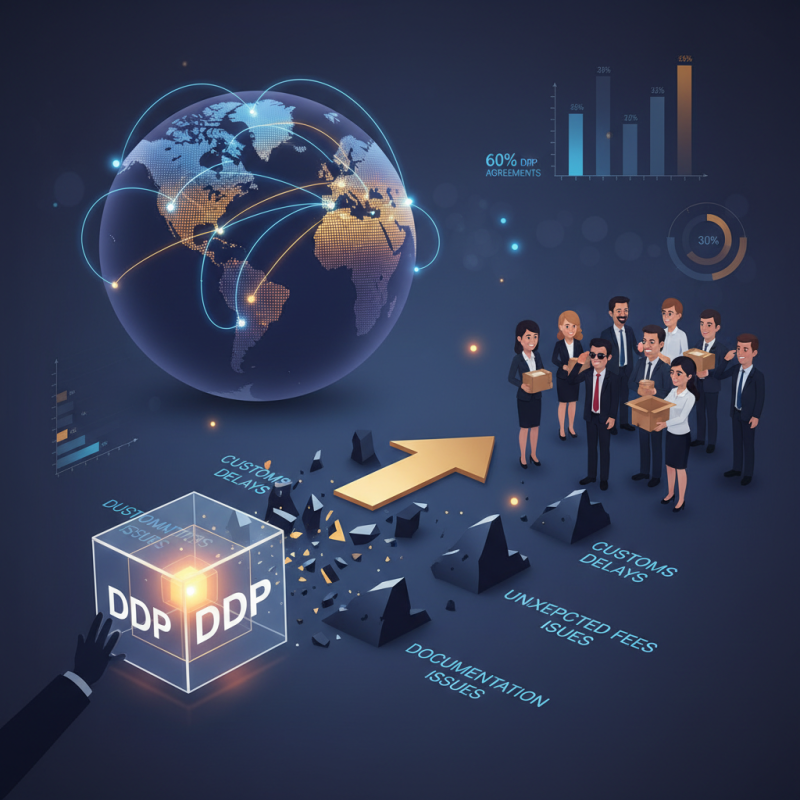
Overview of DDP Shipping: Definition and Key Features
DDP shipping, or Delivered Duty Paid, is a shipping arrangement where the seller takes on significant responsibilities. This includes covering all costs associated with transportation, duties, and taxes until the goods reach the buyer’s specified destination. According to industry insights, about 30% of international shipments use DDP. This trend demonstrates its growing importance in global trade.
One key feature of DDP shipping is the clarity it provides for buyers. They do not need to handle customs complexities or additional fees. Instead, they receive their goods with all expenses prepaid. Buyers appreciate this transparency. However, it’s crucial to note that if sellers underestimate shipping costs, the final price may be higher than anticipated. This can lead to disputes or dissatisfaction among buyers.
Another aspect to consider is the impact on shipping times. While DDP can offer a smoother process, unexpected delays can still occur. Data shows that 20% of DDP shipments face delays due to customs. Such issues can disrupt supply chains. Therefore, both buyers and sellers must communicate clearly to prevent misunderstandings.
The Roles and Responsibilities of Buyers in DDP Shipping
When engaging in Delivered Duty Paid (DDP) shipping, buyers shoulder significant responsibilities. Unlike other shipping methods, DDP places the burden of all costs on the seller until the goods reach their final destination. This model requires buyers to prepare for potential customs duties, import taxes, and compliance verification. According to industry reports, about 25% of delays in international shipping result from paperwork issues. Buyers must ensure that all required documentation is in order.
Buyers also need to verify the reliability of their suppliers. Insufficient vetting can lead to unexpected costs or failed deliveries. Consider that a late shipment can impact business operations. Risk management becomes essential. Research indicates that over 30% of businesses experience disruptions due to poor logistics communication between buyers and sellers. Consequently, clear communication is vital for success in DDP transactions. Buyers should maintain an open dialogue with their logistics partners to mitigate issues early.
Additionally, it's important to understand local regulations and tax liabilities. Failing to do so could lead to hefty fines and delays. Buyers should invest time in understanding their responsibilities under DDP agreements. This proactive approach ensures smoother transactions and better budgeting. In an ever-evolving global market, such awareness empowers buyers to navigate DDP shipping more effectively.
How DDP Shipping Simplifies International Transactions
DDP shipping, or Delivered Duty Paid shipping, streamlines international transactions by simplifying the logistics for buyers. With DDP, sellers take on all the responsibilities. They handle shipping, insurance, and customs duties. This arrangement means buyers do not need to worry about additional costs at delivery. They pay one price upfront, which covers everything. This clarity reduces the chances of unexpected expenses.
For buyers, this method of shipping builds trust and creates a smoother experience. There’s no need to navigate complex customs paperwork. All taxes and duties are pre-calculated. However, not all sellers may offer DDP. Some might prefer other shipping terms. Buyers must weigh these options carefully. The convenience of DDP could come with a higher initial price. Still, for many, the peace of mind it offers is worth the cost.
Despite its advantages, DDP shipping is not without challenges. Delays can still occur at customs, even if all duties are paid. Additionally, not all sellers are familiar with DDP policies. Misunderstandings can arise. Buyers should conduct thorough research and communicate clearly with sellers. This proactive approach can help avoid potential pitfalls and ensure a successful transaction.
Cost Factors Involved in DDP Shipping for Buyers
DDP shipping, or Delivered Duty Paid shipping, simplifies the buying process for international customers. However, the costs involved can be intricate and require careful consideration. Buyers must account for various cost factors before finalizing their shipments.
One primary cost factor is shipping fees. This includes the freight costs to transport goods from the seller to the buyer's location. Additionally, customs duties can significantly impact the final price. These duties are taxes imposed by the importing country and vary based on the product types and their respective tariff rates. Buyers often overlook these when budgeting, leading to unexpected expenses.
Insurance is another crucial element. While not mandatory, it provides coverage against loss or damage during transit. Buyers should evaluate the need for this protection based on the value of their goods. Handling fees also come into play, usually charged by freight forwarders for managing paperwork and logistics. Each of these elements can affect the overall cost in different ways, making it essential for buyers to do thorough research. Ignoring any of these details can result in either delays or higher than anticipated expenses.
DDP Shipping Cost Factors for Buyers
Best Practices for Navigating DDP Shipping Agreements
When navigating DDP shipping agreements, clarity is key. Make sure you understand the delivery terms fully. DDP stands for "Delivered Duty Paid." This means sellers handle all logistics, including customs clearances and duties. Buyers receive goods at their doorstep, without additional costs. However, this convenience can hide complexities.
Tip: Always review the shipping agreement carefully. Watch for hidden fees that may arise. If taxes are unclear, ask questions upfront. Misunderstandings can lead to unexpected charges.
Communication is vital with your shipping partner. Discuss routes and potential delays. Be aware of how international regulations affect your shipment. Each country has its own set of compliance rules. Ignoring them can lead to complications.
Tip: Keep track of your shipments. Use tracking systems to monitor progress. Delays can happen due to many factors, including weather or customs. An informed buyer can manage expectations better. Be prepared for the unexpected, and foster a proactive approach. Understanding DDP shipping can enhance your purchasing experience.
FAQS
: DDP stands for Delivered Duty Paid, where the seller covers all shipping costs.
Sellers handle transportation costs, duties, and taxes until goods reach buyers.
Buyers value the clarity and no additional customs fees, receiving goods with all expenses prepaid.
The final price may exceed expectations, leading to disputes or dissatisfaction.
About 20% of DDP shipments face delays, impacting supply chains and overall efficiency.
Buyers must prepare documentation and verify supplier reliability to avoid delays.
Approximately 25% of delays in international shipping result from paperwork problems.
Clear communication prevents misunderstandings and manages risks associated with logistics.
Understanding local laws and tax liabilities is crucial to avoiding fines and delays.
Being proactive and informed about responsibilities helps ensure smoother transactions.
Conclusion
DDP shipping, or Delivered Duty Paid shipping, is a comprehensive shipping method where the seller assumes full responsibility for the shipment until it reaches the buyer's designated location. This includes covering all costs associated with transportation, taxes, and customs duties. In understanding what is DDP shipping and how it works for buyers, it is crucial to recognize that buyers play a vital role by ensuring clear communication and providing necessary information to facilitate smooth delivery.
DDP shipping simplifies international transactions by eliminating many uncertainties related to customs and duties, allowing buyers to focus on their operations rather than logistics challenges. However, buyers should be aware of cost factors such as shipping rates, insurance, and potential tariffs to avoid unexpected expenses. Adhering to best practices in navigating DDP shipping agreements can further enhance the purchasing experience, fostering better relationships between buyers and sellers in global trade.

 RLL Logistics