In the dynamic landscape of global trade, the collaboration between Russia and China has surged, necessitating a robust logistics framework. The recent report by the China International Freight Forwarders Association states that trade between these two nations grew by 26% in 2022. With such rapid growth, complexities arise in transport routes, customs regulations, and local challenges. This is where the need for specialized logistics providers becomes evident.
Expert in international logistics, Anna Petrov, notes, "Why use a specialized logistics provider for Russia-China trade? They understand the intricacies that general providers may overlook." A tailored approach is essential to navigate the unique legal and transport challenges in this region. Moreover, specialized providers often have established relationships, ensuring smoother customs clearance and timely deliveries.
Choosing the right logistics partner can reduce risks significantly. The stakes are high; delays can lead to increased costs. As the market evolves, businesses must reflect on their logistics strategies. A strategic partnership with a knowledgeable provider may define their success in this thriving corridor.
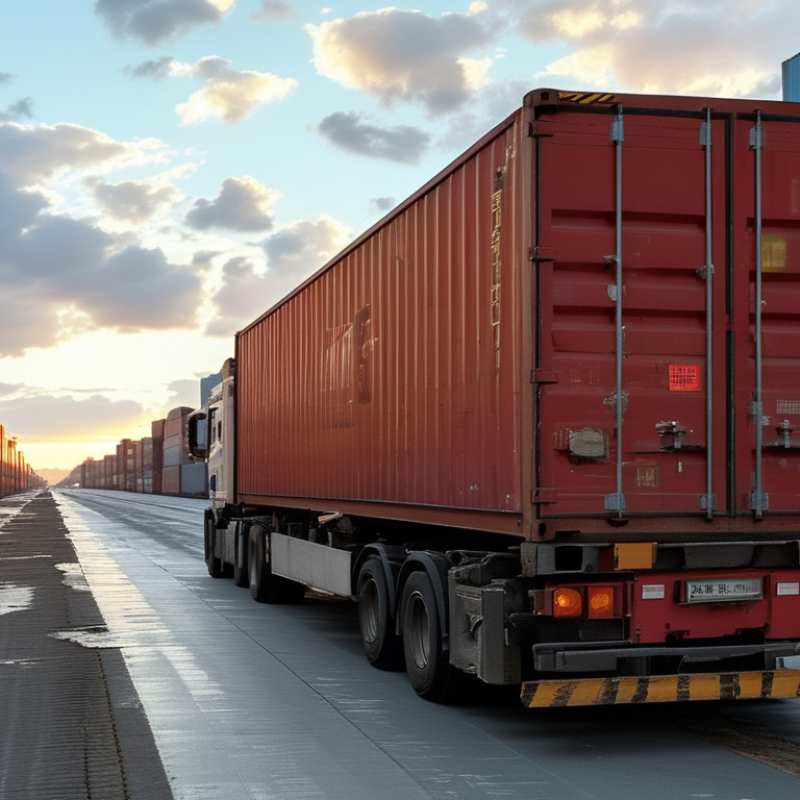
Understanding the Importance of Specialized Logistics in Russia-China Trade
Specialized logistics play a crucial role in the Russia-China trade landscape. According to a report from the International Freight Transport Association, about 70% of shipments between these two countries are dependent on optimized logistics processes. A robust logistics provider can streamline operations, reduce costs, and enhance delivery times. This efficiency is vital for businesses looking to maintain competitiveness in a rapidly evolving market.
Choosing the right logistics partner involves understanding their expertise in this specific trade corridor. Key factors include knowledge of local regulations, customs procedures, and infrastructure. A report by the Asia Pacific Logistics Commerce highlights that 55% of businesses encounter delays due to inadequate logistics solutions. Companies must address these potential weaknesses to avoid disruptions. Engaging a specialized provider can mitigate these risks and ensure timely project execution.
Challenges still exist in this sector. There are inconsistencies in service quality across different providers. Some may lack the necessary technology or capabilities to handle customs clearance efficiently. This can lead to higher costs or longer transit times. Continuous evaluation and adaptation are essential for companies to navigate these complexities effectively. Failing to invest in a competent logistics partner may hinder growth opportunities in the competitive Russia-China trade arena.
Identifying Key Characteristics of an Effective Logistics Provider
Choosing a specialized logistics provider for Russia-China trade requires careful evaluation. An effective logistics partner should have a deep understanding of both markets. They must navigate the complexities of customs regulations, tariffs, and documentation seamlessly. Experience in handling cross-border shipments is crucial. Providers with a solid track record can offer insights that save time and reduce costs.
Communication is another critical factor. A reliable provider should maintain open channels with clients. Regular updates on shipment status foster transparency and trust. It's important to assess their technology capabilities as well. Efficient tracking systems and inventory management can streamline operations. However, not all providers invest in the latest technology, which can lead to service inconsistencies.
Consider flexibility in services, too. Freight forwarding, warehousing, and customs clearance should all be customizable to meet your specific needs. While some may offer standard packages, a one-size-fits-all approach may not suit every business. Take time to reflect on your unique logistical challenges. A good provider should adapt their services accordingly, ensuring your operations run smoothly.
Evaluating the Financial Stability and Industry Experience of Providers
When selecting a specialized logistics provider for Russia-China trade, it's crucial to examine their financial stability. A financially sound partner can ensure consistent service and timely deliveries. Look for providers with transparent financial records. Stability indicates that they can invest in resources and handle unexpected challenges.
Industry experience is equally important. Providers with years of experience understand the complexities of Russia-China trade. They possess knowledge of customs regulations and market demands. Experienced logistics firms often have established networks, making them more efficient. Ask for case studies or references to gauge their expertise.
Don’t overlook red flags. A lack of detailed information could signal uncertainty. If the provider can't share financial data, it might be wise to reconsider. Trust your instincts; if something feels off, it probably is. Evaluating both financial health and industry experience creates a safer choice for your logistics needs.
How to Choose a Specialized Logistics Provider for Russia China Trade? - Evaluating the Financial Stability and Industry Experience of Providers
| Provider Type |
Financial Stability Rating |
Years of Industry Experience |
Coverage Area |
Specialization |
| Air Freight Forwarder |
A |
15 |
Global |
Electronics |
| Sea Freight Forwarder |
B+ |
20 |
Pacific Rim |
Automotive |
| Customs Broker |
A- |
10 |
Eastern Europe |
Pharmaceuticals |
| Logistics Management |
B |
5 |
China & Russia |
Consumer Goods |
| E-commerce Fulfillment |
A+ |
8 |
Asia |
Retail |
Analyzing Technology Adoption in Logistics Operations for Efficient Trade
In the realm of logistics for Russia-China trade, technology adoption plays a crucial role. A 2022 report by the International Transport Forum indicated that digital technologies can improve efficiency by up to 30%. This efficiency stems from real-time tracking systems, which offer transparency throughout the supply chain. Furthermore, automated warehousing solutions have been shown to reduce operational costs significantly, leading to a more streamlined process.
However, despite these advancements, many logistics providers still face challenges. Approximately 50% of logistics companies reported difficulties in integrating new technologies into existing operations. This gap can lead to inefficiencies and increased costs. There is also a pressing need for training staff to leverage new tools effectively. Without proper implementation, even the best technologies may not yield the expected results.
Adoption of data analytics in logistics can transform decision-making. Studies suggest that companies utilizing analytics improve their forecasting accuracy by 20%. However, the reliance on data requires a rethinking of traditional logistics strategies. Some firms struggle with data overload, leading to analysis paralysis. The right balance between technology and human insight is essential for sustaining competitive advantage in this evolving market.
Technology Adoption in Logistics Operations for Russia-China Trade
Assessing Regulatory Compliance and Risk Management Strategies in Logistics
Choosing a specialized logistics provider for trade between Russia and China requires careful consideration of regulatory compliance and risk management strategies. Navigating the complex landscape of customs requirements can be daunting. According to the International Transport Forum, over 36% of logistics delays are due to compliance issues.
Assessing the provider's understanding of both countries' regulations is crucial. A logistics partner should have a robust compliance program, ensuring all shipments adhere to local and international laws. Establishing clear communication channels with the provider can enhance this process. Regular updates on regulatory changes are essential for minimizing risks.
Tip: Evaluate potential partners based on their historical compliance records. Ask for case studies or examples of how they have navigated regulatory challenges.
In addition to compliance, risk management strategies are key. This includes understanding the political landscape and economic conditions in both regions. The World Bank reported that geopolitical risks can impact shipping routes significantly. A logistics provider must have contingency plans for various scenarios.
Tip: Inquire about their risk management framework. How often do they review and update their strategies? Regular assessments can help mitigate unforeseen risks.
When selecting a logistics partner, focus on their ability to adapt and respond to changing environments. Perceptions of reliability can shift with market dynamics, making it essential to choose a partner who demonstrates resilience and foresight.
FAQS
: Specialized logistics streamline operations and reduce costs, enhancing delivery times for businesses in this trade corridor.
Companies must evaluate the partner's expertise in local regulations, customs procedures, and infrastructure capabilities.
Inconsistencies in service quality and technology gaps can lead to higher costs and longer transit times.
Engaging a specialized provider reduces risks and ensures timely execution, avoiding disruptions in operations.
Over 36% of logistics delays arise from compliance issues, highlighting the need for a solid understanding of regulations.
Clear communication enhances processes, ensuring regular updates on regulatory changes and minimizing risks.
Understanding geopolitical conditions and maintaining contingency plans is vital to navigate risks in shipping routes.
Reviewing historical compliance records and case studies helps assess how well a provider handles regulatory challenges.
Reliability perceptions can change rapidly; a resilient partner can better handle evolving conditions in the trade environment.
Lack of investment can hinder growth opportunities and limit competitiveness in the challenging Russia-China trade landscape.
Conclusion
In the context of Russia-China trade, understanding the importance of specialized logistics is crucial for successful operations. A specialized logistics provider plays a pivotal role in navigating the complexities of this trade route. Evaluating key characteristics such as the provider's financial stability, industry experience, and technology adoption is essential to ensure efficient and reliable service. Effective logistics providers not only streamline operations but also implement robust regulatory compliance and risk management strategies, which are vital in a landscape often impacted by geopolitical factors.
So, why use a specialized logistics provider for Russia-China trade? Such providers bring invaluable expertise that helps businesses adapt to the unique challenges of cross-border logistics, thereby enhancing operational efficiency and minimizing risks. By partnering with a specialized provider, companies can focus on their core competencies, while ensuring that their logistical needs are met with precision and reliability.

 RLL Logistics