The China-Vietnam border trade has gained significant attention in recent years. Understanding how does the China-Vietnam border trade logistics work is vital. According to a 2023 report by the China and Vietnam Logistics Association, cross-border trade volumes reached $200 billion in the last fiscal year. This figure highlights the importance of efficient logistics operations in this region.
Experts like Dr. Lin Zhang emphasize the complexity of logistics networks in border trade. He states, “The efficiency of logistics directly impacts trade growth and economic collaboration.” The border spans over 1,400 kilometers, involving multiple logistics hubs. Each hub has unique processing capabilities, yet challenges remain.
Issues like customs delays and infrastructure quality demand critical attention. The logistics processes often rely on outdated systems that cause bottlenecks. Although advancements have been made, there is a need for ongoing improvement. Both nations should collaborate further to enhance these systems, ensuring smoother trade flows.
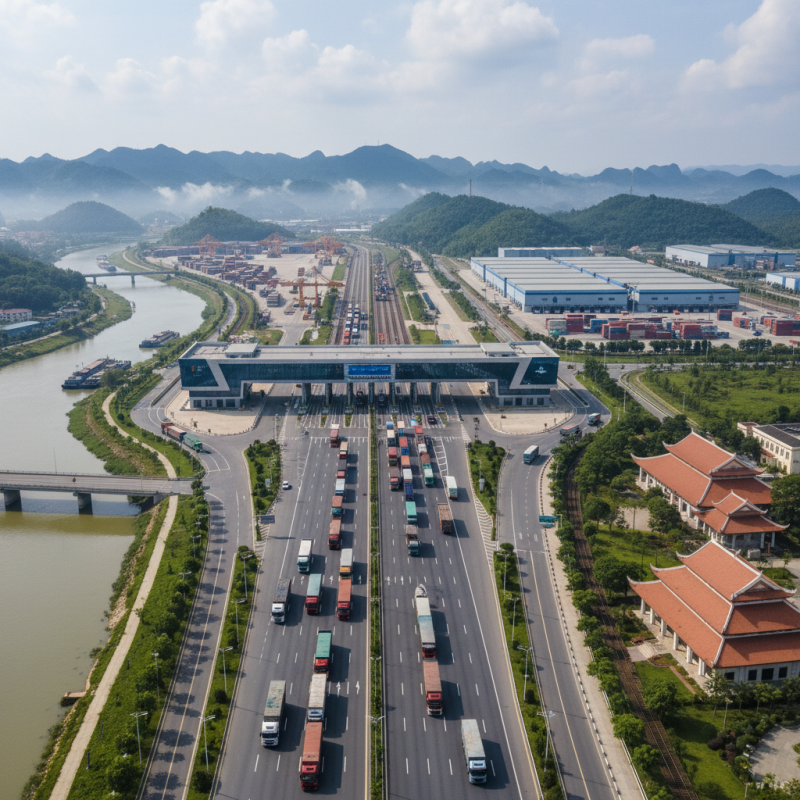
Border trade between China and Vietnam plays a significant role in enhancing economic ties. The border spans over 1,400 kilometers, facilitating trade in various goods, including agricultural products, textiles, and machinery. Many small businesses thrive on this trade, contributing to local economies. However, logistical challenges often arise, impacting efficiency.
Tips: To navigate these challenges, businesses should maintain good communication with local partners. Establishing strong connections can expedite shipping and customs processes.
Vietnam's customs policies have seen improvements, yet they can still be complex. Understanding these regulations is crucial for smooth operations. Traders must remain flexible and ready to adapt. Knowledge of local markets can also provide an edge.
Tips: Regularly updating compliance knowledge can save time and costs. Keeping pace with changes in trade rules is vital. Failure to do so could lead to delays and financial losses.
The China-Vietnam border trade is facilitated by several key logistics hubs. These hubs play a crucial role in ensuring efficient transport and supply chain operations. Among them, Lang Son and Mong Cai are significant for cross-border trade. They serve as critical entry points for goods flowing between China and Vietnam.
Data from industry reports show that Lang Son handles approximately 40% of all cross-border trade between the two countries. This hub primarily deals with agricultural products and raw materials. The infrastructure here has improved, but congestion remains an issue at peak times. The flow of trucks can sometimes lead to delays, affecting overall logistics efficiency.
Mong Cai, on the other hand, focuses on manufactured goods. Recent statistics indicate that it has seen a rise in trade volumes by over 25% year-on-year. Despite this growth, companies face challenges, such as documentation complexities and varying customs regulations. The lack of uniformity can slow down processes, creating room for reflection on current practices. Balancing efficiency with compliance remains a significant hurdle for logistics operators in this dynamic border region.
Navigating customs procedures along the China-Vietnam border is essential for successful trade logistics. Importers and exporters must comply with specific regulations to ensure smooth operations. Each shipment must undergo meticulous inspections. Documentation, such as invoices and packing lists, must be accurate and complete. Incorrect or missing documents can lead to delays, which often impact trade timelines significantly.
Traders must also be aware of the customs clearance process. Different customs offices may have varying requirements. This inconsistency can lead to confusion. Communication between businesses and customs officials is crucial. It helps in understanding the nuances of local regulations. Engaging with local experts can also provide valuable insights.
Another challenge is the ever-changing trade policies. Regulations can shift based on economic relationships. Staying updated on these changes is vital for businesses. Utilizing technology, such as tracking systems, can enhance visibility. However, reliance on technology should be balanced with traditional methods to ensure no detail is overlooked. Ignoring minor discrepancies can result in larger issues down the line.
Transportation forms the backbone of border trade logistics between China and Vietnam. Trucking is prevalent because it is flexible. Trucks can navigate various terrains and reach remote areas. Cargo trucks often transport goods from major cities directly to border checkpoints. This method allows for quick deliveries and timely access to markets.
Rail transport is another option, offering bulk transport of goods. Trains are cost-effective for large quantities. However, rail logistics can be slower than trucks. Waiting times at rail stations can cause delays. Infrastructure improvements are required for smoother operations.
Waterways also play a role, especially for bulk commodities. Barges and ships transport goods along rivers and coastal areas. While this method is economical, it is not as reliable for quick deliveries. Weather conditions can disrupt schedules. The need for multimodal solutions arises, integrating trucks, trains, and barges. The logistics sector must constantly adapt to ensure efficiency. The interplay of these transportation modes reflects a dynamic yet challenging landscape in border trade logistics.
The China-Vietnam border trade logistics landscape presents both challenges and opportunities. According to a 2022 report by the Asian Development Bank, trade volumes have surged, tripling in a decade. Despite this growth, issues persist. Inefficient customs processing can delay shipments for days. This inefficiency impacts trade flow and increases costs for businesses on both sides.
Logistical infrastructure, while improving, often falls short. Many border facilities lack modern technology. This leads to bottlenecks, with average crossing times reportedly exceeding six hours during peak periods. Furthermore, language barriers and regulatory discrepancies can complicate transactions. Many companies still rely on outdated procedures. This often creates misunderstandings that further slow down operations.
According to recent surveys, 65% of logistics firms highlight the need for better coordination between government agencies. This response reflects a pressing need for reform. Trade agreements can ease some burdens, yet local policies often lag behind. Effective collaboration is vital. Without it, the potential for enhanced trade remains unfulfilled.
| Dimension | Description | Challenges | Developments |
|---|---|---|---|
| Customs Procedures | Regulations for importing and exporting goods across the border. | Lengthy paperwork and delays. | Digital customs systems are being implemented. |
| Transportation | Modes of transport used for border trade. | Traffic congestion and road conditions. | Investment in infrastructure improvements. |
| Logistics Efficiency | Speed and reliability of logistics services. | Inconsistent delivery times. | Emergence of logistic service providers focused on improvements. |
| Trade Volume | Total value and volume of goods traded across the border. | Regulatory barriers affecting trade volume. | Agreements to enhance trade partnerships. |
| Cross-border E-commerce | E-commerce platforms facilitating trade. | Difficulties in payment processing. | Growth in online platforms and payment solutions. |
: Traders must comply with regulations, complete inspections, and ensure accurate documentation for smooth operations.
Incorrect or missing documents can lead to delays, significantly impacting trade timelines and overall business efficiency.
Effective communication with customs officials helps in understanding local regulations and avoiding confusion in the clearance process.
Regulations may shift based on economic relationships, making it vital for businesses to stay updated on these changes.
Utilizing tracking systems improves visibility, but businesses should balance tech reliance with traditional methods to avoid overlooking details.
Trucking is flexible and allows direct deliveries, while rail is cost-effective for bulk transport but can be slower.
Rail logistics may experience delays at stations. Water transport can be disrupted by weather, affecting delivery reliability.
Combining trucks, trains, and barges helps meet the diverse needs of logistics and adapt to the changing landscape of border trade.
Infrastructure improvements are required for smoother operations, especially in rail transport, where delays can be common.
Businesses need to consider balancing technology with traditional methods and be aware of the ongoing challenges in logistics.
The article "How Does China Vietnam Border Trade Logistics Operate?" explores the intricate dynamics of trade logistics between China and Vietnam. It provides an overview of border trade, highlighting key logistics hubs that facilitate the movement of goods. The discussion on customs procedures emphasizes the importance of understanding regulations that govern cross-border trade, ensuring compliance and efficiency.
Additionally, the article examines various transportation modes utilized in border trade logistics, such as trucks and railways, which are instrumental in achieving timely deliveries. Despite the established frameworks, challenges such as infrastructure limitations and regulatory complexities persist, though ongoing developments aim to streamline cross-border trade processes. Overall, the article answers the critical question of how does the China-Vietnam border trade logistics work, shedding light on the factors that influence its effectiveness and potential for growth.

RLL Logistics