International shipping can often be a complex process. One common question arises: "why is my international package stuck in customs?" Research indicates that nearly one in five international packages experiences delays due to customs issues. These delays can stem from several factors, including documentation errors, unpaid duties, or restricted items.
Professional reports suggest that approximately 30% of customs delays are due to incomplete paperwork. Providing accurate customs declarations and invoices can help prevent such situations. It's essential to understand the specific regulations of both the sending and receiving countries. Clear communication with your shipping provider can also enhance problem resolution.
In some cases, packages may remain in customs for longer than expected. This can lead to frustration and confusion for senders and recipients alike. Understanding customs processes is crucial. An informed shipper is better equipped to navigate these challenges and minimize potential delays.
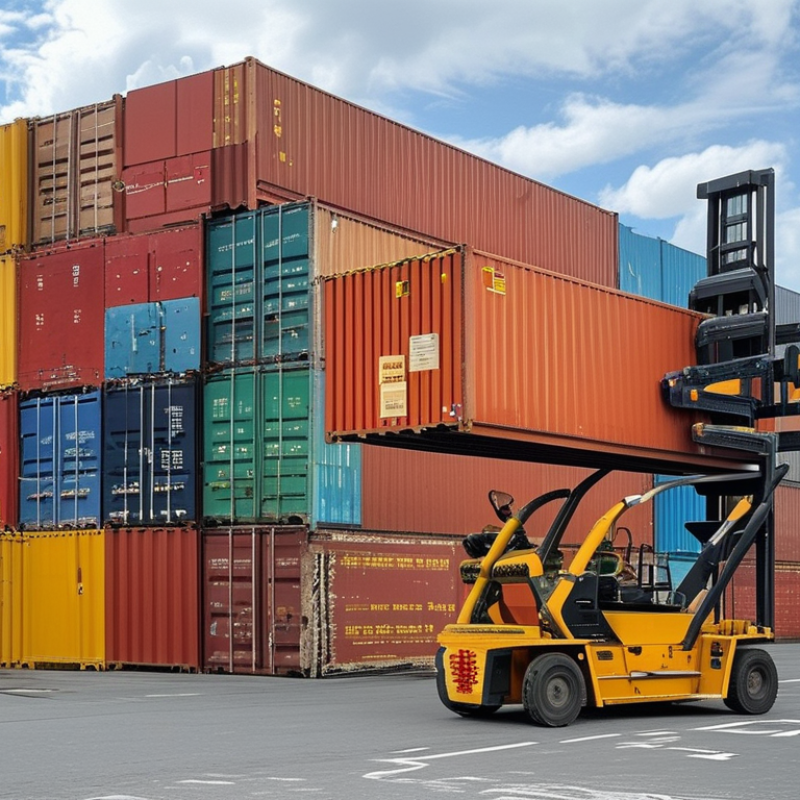
Understanding Customs Procedures: Key Steps to Navigate Delays
When dealing with a package stuck in customs, understanding the procedures is crucial. Customs officials review packages for several reasons. Missing documentation is a common issue. Packages may require invoices or detailed descriptions. Without these, customs can halt your delivery.
Communication is key. Contact the shipping company for updates. They may provide tracking details. There are often customs contact numbers available too. Sometimes, a simple inquiry resolves the matter. You might need to provide additional information or pay fees. This can feel frustrating but is part of the process.
Be aware that customs delays can take time. Patience is essential. If you notice a trend of frequent delays with your packages, reevaluate your shipping choices. Ensure that your supplier understands customs requirements. Working closely can prevent future issues.
Identifying Common Reasons Packages Get Stuck in Customs
Packages often get stuck in customs due to various reasons. One common issue is incomplete documentation. According to a recent survey by the World Customs Organization, lack of proper paperwork accounts for nearly 30% of customs delays. Accurate invoices and shipping labels are essential for smooth clearance.
Another frequent reason involves misdeclared values. Many importers underestimate the value of their goods. This can lead to increased scrutiny by customs officials. An alarming report indicates that over 20% of packages are flagged due to discrepancies in declared values versus market prices.
Tip: Always double-check your shipping documentation. Ensure that all details are accurate and match the contents of your package.
Customs may also hold packages for inspections. This process can be random or based on specific risk assessments. The frequency of these inspections varies greatly, leading to uncertain delays for importers.
Tip: Keep an eye on your shipment's tracking information. This will help you catch any delays as soon as they occur.
Sometimes, customs applies additional duties or taxes unexpectedly. This can happen if you do not know the regulations for your destination country. Clear awareness of these policies can save you from unexpected costs and delays.
Tip: Research the customs regulations of your target country before shipping. Knowing the rules can minimize issues down the road.
Gathering Necessary Documentation to Expedite Release
When packages get stuck in customs, having the right documentation can make all the difference. Research indicates that around 30% of international shipments experience delays due to incomplete paperwork. Key documents include commercial invoices, packing lists, and certificates of origin. Missing even one essential document can significantly extend the customs clearance process.
Ensure all documents are accurate and complete. All customs declarations must reflect the true value and nature of goods. Errors in documentation can lead to penalties or additional fees. According to a trade study, 60% of customs delays arise from misclassified items. This emphasizes the need for careful attention to detail.
Customs officers often require specific documentation based on the product type. For example, electronics may need compliance certificates. Providing exhaustive information upfront can streamline the release process. Even small inaccuracies can create confusion, so reflecting on your past experiences can guide better practices. Being thorough is not just a precaution; it could save time and money in the long run.
Contacting Customs Authorities: Effective Communication Tips
When your package is stuck in customs, effective communication is crucial. Start by obtaining your tracking number and import documentation. This documentation might include invoices, shipping labels, and any permits required. Having these details ready can expedite your conversation with customs authorities.
When contacting customs, be polite and clear. Explain your situation briefly. Ask specific questions like, “What is the reason for the delay?” or “What additional information do you need?” Listening carefully to their responses is essential. Take notes during the call or write down important points for clarity. If they mention specific forms or fees, ask for guidance on how to submit them.
Patience is key. Customs processes are complex and can take time. You may face unexpected questions or requests. If something is unclear, don't hesitate to ask for better explanations. This can prevent miscommunication. Ultimately, knowing when to follow up is just as important as initiating the conversation. Being proactive shows your commitment but be careful to avoid overstepping boundaries. Maintain a respectful tone to foster a constructive dialogue.
Using Tracking Tools and Resources for Real-Time Updates
When your package is stuck in customs, tracking tools can be your best ally. Most shipping services offer tracking numbers. Enter this number on their website to see the latest status. This helpful feature provides real-time updates on your shipment’s location. It can reduce anxiety and keep you informed about delays.
Using reliable tracking apps can also enhance your experience. Some apps notify you when your package reaches customs. This timely information allows you to anticipate delays. You might discover that customs needs additional documentation or fees, which can slow down the release. Being ahead of the curve can help you respond quickly to requests.
Sometimes, the information may not be clear. Updates can be delayed, leaving you frustrated. In such cases, reaching out to customer support can help clarify your situation. It's important to keep records of your communications. This creates a timeline that can help resolve issues more effectively. Remember, clarity comes from asking the right questions.
Conclusion
If you find yourself asking, "why is my international package stuck in customs," understanding the customs procedures is crucial to navigating these delays. Common reasons for packages being held up include missing or incorrect documentation, unpaid customs duties, or random inspections. To expedite the release of your package, it’s essential to gather all necessary paperwork, such as invoices and shipping labels, ensuring they comply with local requirements.
Effective communication with customs authorities can also play a pivotal role in resolving issues. Utilizing tracking tools and resources can provide real-time updates on your package's status, helping you stay informed throughout the process. By following these steps, you can minimize the potential for delays and ensure a smoother experience with international shipping.

 RLL Logistics