In 2026, many businesses and individuals are asking, "why is air freight so expensive right now?" The reasons are multifaceted. First, the global demand for air cargo is high. This surge affects prices significantly. Many companies rely on speedy deliveries to meet customer expectations. As e-commerce grows, so does the pressure on air freight services.
Another factor is the limited cargo capacity in existing aircraft. The pandemic caused shortages in both planes and crew. Even as operations resume, the recovery is slow. Airlines are struggling to adapt to the new normal. Fuel costs have risen, contributing to higher shipping rates. Every dollar counts in this competitive market.
Additionally, geopolitical tensions disrupt supply chains. Uncertainty leads to increased costs, which airlines pass on to customers. Shippers also face unpredictable fees. Price fluctuations can catch businesses off guard. In this context, understanding "why is air freight so expensive right now" reveals larger patterns in global trade. Reflecting on these factors may help businesses strategize for the future.
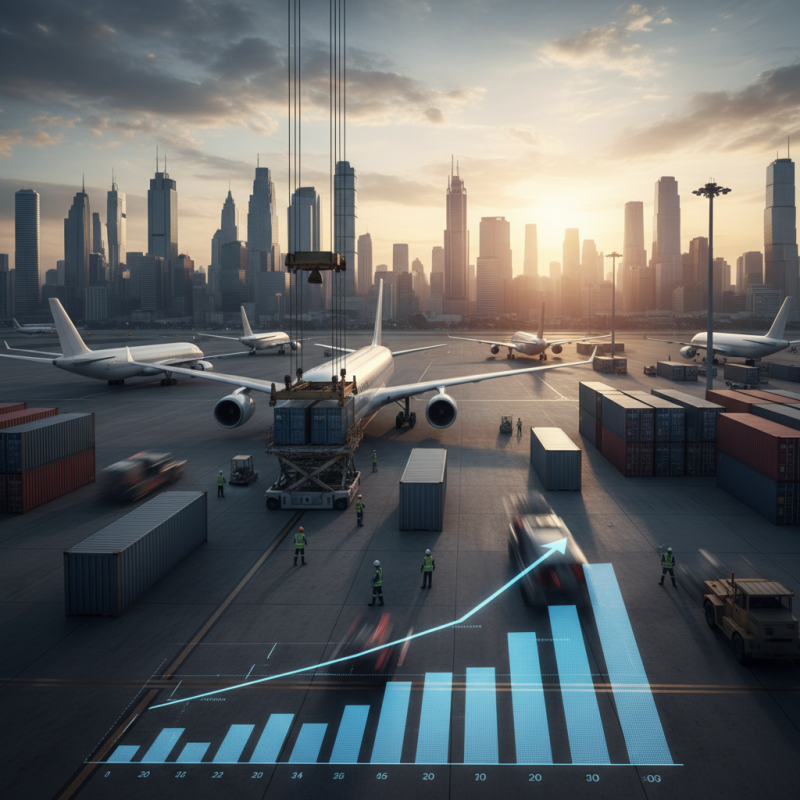
Current Global Economic Factors Impacting Air Freight Costs in 2026
Air freight in 2026 faces steep costs due to various global economic factors. Fuel prices have surged. This increase directly impacts airlines and freight forwarders. The dependency on oil remains high. Unstable geopolitical climates cause supply chain disruptions. Increased shipping demand has not helped, straining logistics networks.
Inflation rates play a significant role. Higher costs for labor and materials translate to expensive air freight. Shipping and handling fees are ever-increasing. Companies are struggling to keep expenses manageable. Customers may notice delays, affecting business operations.
Additionally, environmental regulations are tightening. Airlines must invest in greener technologies. Compliance requires significant funding. While this is vital for sustainability, it raises freight costs. The air cargo industry faces challenges in balancing economic pressures and environmental responsibilities.
Supply Chain Disruptions and Their Role in Rising Air Freight Prices
Air freight prices have surged dramatically, driven primarily by ongoing supply chain disruptions. According to a report from the International Air Transport Association (IATA), air cargo demand has risen by 8% compared to pre-pandemic levels. However, the supply of available cargo space remains tight due to capacity constraints. This brings challenges to businesses trying to meet customer demands.
Moreover, geopolitical tensions have exacerbated these issues. A significant study by Deloitte highlighted that air freight costs increased by 35% in the past year. These disruptions have pushed companies to seek alternatives. Yet the reliability of these alternatives often falls short, leading to delayed shipments. In some cases, companies have chosen to prioritize speed over cost, further inflating air cargo prices.
While companies adapt, the reality is stark. Fluctuations in fuel prices add another layer of complexity, making budgeting for shipping unpredictable. Recent data from the World Bank indicates an additional 20% rise in freight costs, prompting urgent discussions on sustainability. Despite these challenges, many companies still lean heavily on air freight due to its critical role in global trade. The balance between cost and reliability will remain a contentious issue for the foreseeable future.
Increased Fuel Prices and Their Direct Effect on Air Cargo Rates
Air freight rates have surged significantly in 2026, largely due to increased fuel costs. Fuel is one of the largest operational expenses for airlines. As prices at the pump rise, carriers must pass these costs onto their customers. This creates a direct impact on air cargo rates. Freight forwarders and shippers feel this change acutely. Higher shipping costs can disrupt supply chains.
In addition to rising fuel prices, demand for air cargo remains robust. Many industries rely on fast transportation for their goods. High demand can lead to a shortage of available cargo space. This supply and demand imbalance contributes to the inflation of rates. Companies hesitate to absorb the extra costs. Thus, they may raise prices for their customers as they struggle with these expenses.
Airlines are also facing challenges in maintaining efficiency. Fluctuations in fuel prices complicate budget planning. Cost management has become essential to remain competitive. It’s crucial for stakeholders to adapt to this new landscape. Exploring alternative shipping methods or adjusting freight strategies might be necessary. However, such reflections can be difficult. The urgency of today’s market pressures sometimes limits proactive thinking.
Regulatory Changes and Tariffs Influencing Air Freight Expenses
The air freight industry faces high costs due to recent regulatory changes and tariffs. In 2026, international trade faced increased complexities. Governments implemented stricter regulations for environmental standards in shipping. This impacts airlines and freight forwarders significantly. Companies now bear higher compliance costs. According to industry reports, these regulations could increase operational costs by up to 25%.
Tariffs also play a crucial role. Many countries have enacted new tariffs on goods, especially electronics and textiles. This adds another layer of expense for importers and exporters. The World Bank noted that global trade tariffs rose by an average of 15% since 2024. This directly affects shipping expenses. Businesses must adjust their pricing strategies to accommodate these extra costs.
Additionally, the labor market remains tight. Finding skilled personnel for air freight operations is a challenge. Labor shortages have caused delays and further inflated costs. Ultimately, companies continue to seek solutions in a volatile environment. These factors highlight the challenges surrounding air freight today. Balancing compliance, tariffs, and labor is complex.
Air Freight Costs Overview in 2026
This chart represents the various factors influencing air freight costs in 2026. Fuel prices contribute the highest percentage to the costs, followed by tariffs, regulatory changes, demand surges, and operational costs.
Demand Surge in E-commerce and Its Contribution to Higher Shipping Costs
The surge in e-commerce has significantly impacted air freight costs. In 2026, demand for quick delivery has risen by over 30%, according to industry reports. This increase in demand has strained capacity in the air freight sector. Limited cargo space, particularly for express shipments, drives up prices.
Many companies now face shipping costs that are 20-40% higher than pre-pandemic levels. This steep rise can be attributed to factors like fluctuating fuel prices and labor shortages. The reliance on air freight for time-sensitive deliveries adds pressure on an already strained system.
Tips: Consider using sea freight for less urgent shipments. This can lead to substantial savings. Additionally, look into consolidation services, which group shipments together for better rates. Focus on accurate inventory management to avoid last-minute air freight needs, which can be costly.
FAQS
: Air freight prices have surged due to ongoing supply chain disruptions and higher cargo demand.
Air cargo demand has risen by 8% compared to pre-pandemic levels.
Increased fuel prices, limited cargo availability, and geopolitical tensions are key contributors.
Rising fuel costs significantly affect operational expenses, which airlines pass on to customers.
Companies struggle with balancing shipping costs and customer demand, often raising prices for goods.
E-commerce demand has surged by over 30%, straining air freight capacity and increasing costs.
Using sea freight for non-urgent shipments can result in significant savings.
Labor shortages contribute to higher shipping costs, as they limit operational efficiency in logistics.
Accurate inventory management may help reduce reliance on costly last-minute air freight solutions.
The urgency of the market can hinder companies from exploring alternative shipping methods.
Conclusion
The article "Why is Air Freight So Expensive Right Now in 2026?" explores the multifaceted reasons behind the soaring costs of air cargo services. One major factor is the ongoing global economic uncertainty, which has created significant fluctuations in demand and supply. Additionally, persistent supply chain disruptions have compounded these challenges, leading to increased air freight prices as companies seek faster delivery options to meet consumer expectations.
Fuel prices also play a crucial role, as their rise directly affects air cargo rates, making transportation costs higher. Moreover, regulatory changes and tariffs imposed on international shipping can further contribute to elevated expenses. The surging demand for e-commerce has exacerbated these issues, as businesses compete for limited air freight capacity. Collectively, these factors illustrate clearly why air freight is so expensive right now, presenting challenges for both shippers and consumers alike.

 RLL Logistics