Understanding shipping terms is crucial for international trade. Importers and exporters often encounter the terms FOB and CIF. Know what is the difference between FOB and CIF shipping to ensure smooth transactions.
FOB stands for "Free On Board." The seller fulfills their responsibility once the goods are loaded on the ship. This means risks transfer to the buyer at the loading point. In contrast, CIF, or "Cost, Insurance, and Freight," includes additional costs. The seller is responsible for insurance and freight until the goods reach the destination port. This can save buyers some hassle.
These terms reflect different levels of responsibility, which impact pricing and risk management. It’s vital for businesses to grasp these distinctions. Misinterpretations may lead to unexpected expenses and disputes. Thus, understanding what is the difference between FOB and CIF shipping is essential for navigating global logistics effectively.
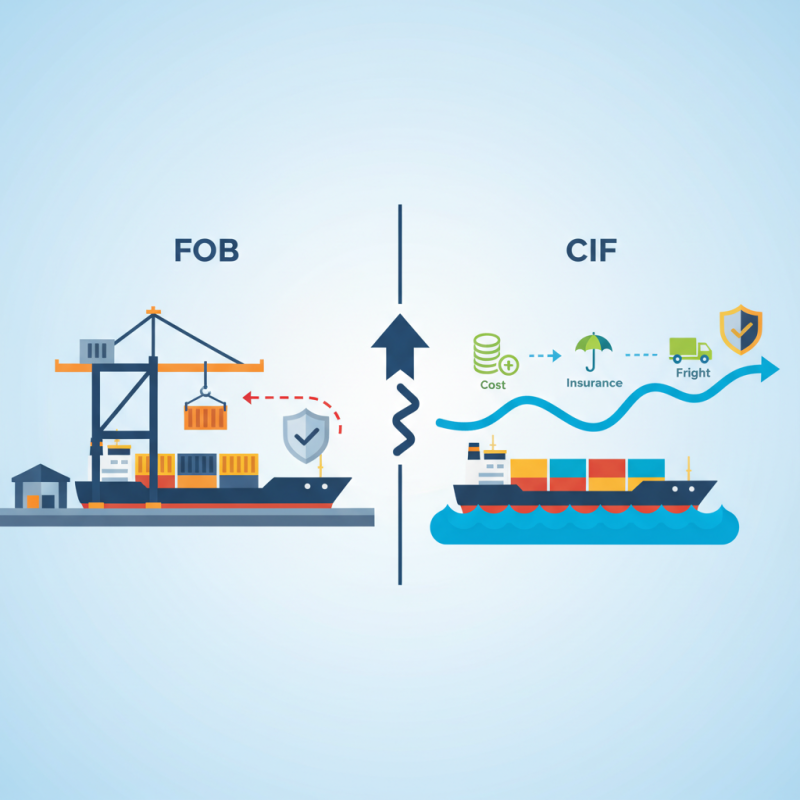
Understanding FOB (Free on Board) shipping terms is crucial for businesses involved in international trade. FOB indicates the moment when the responsibility for goods shifts from the seller to the buyer. Under these terms, the seller is accountable for transporting the goods to the port of shipment and covering the costs associated with loading the goods onto the vessel. Once the goods are on board, the buyer assumes risk and responsibility.
This arrangement allows the buyer to choose their preferred shipping method, which can lead to cost savings. However, it requires the buyer to know about logistics and port operations. Not every buyer is familiar with these complexities. Mistakes can lead to delays and unexpected expenses. Additionally, the buyer must ensure that insurance is in place during transit, which adds another layer of responsibility.
Navigating FOB terms can be challenging. Buyers may find themselves overwhelmed by shipping regulations and documentation requirements. Tools and resources are available, yet they often feel intricate. Having a knowledgeable logistics partner can mitigate these struggles. Clear communication between buyers and sellers can streamline the shipping process. The journey from origin to destination should not be underestimated. Each step matters in the world of FOB shipping.
| Shipping Term | Definition | Cost Responsibilities | Risk Transfer |
|---|---|---|---|
| FOB (Free on Board) | The seller delivers the goods on board the vessel specified by the buyer at the port of shipment. | Seller pays all costs up to the point the goods are loaded on the vessel. | Risk transfers from seller to buyer once the goods are on board the vessel. |
| CIF (Cost, Insurance, and Freight) | The seller delivers the goods on board and pays for the cost and freight to bring the goods to the port of destination, including insurance. | Seller covers costs for freight and insurance up to the destination port. | Risk transfers from seller to buyer once the goods are loaded on the vessel, similar to FOB. |
| Comparison | Both terms involve the seller loading goods onto a vessel, but CIF includes insurance and freight to the destination. | CIF is generally more expensive due to insurance and freight costs being included. | Under FOB, buyers have more control over shipping arrangements. |
: FOB stands for Free on Board. It indicates responsibility transfer from the seller to the buyer.
The seller pays for transporting goods to the shipment port and loading the goods.
The buyer assumes risk once goods are loaded onto the vessel. Delays can happen, adding unexpected costs.
CIF stands for Cost, Insurance, and Freight. The seller covers shipping, insurance, and freight to the buyer's destination.
The seller must provide adequate insurance coverage for the goods during transport. Misunderstandings can lead to problems.
Buyers may struggle with logistics and shipping documents, leading to potential delays and confusion.
Keeping all documents helps resolve disputes that may arise over shipping terms or costs.
CIF may have inflated costs, which reduces negotiating power for buyers. Comparison shopping is essential.
Buyers needing direct control over shipment may prefer FOB. This allows for more flexibility in logistics decisions.
Clear communication with sellers and having a knowledgeable logistics partner can help avoid complications.
The article "2026 Best Guide: What is the Difference Between FOB and CIF Shipping" provides a comprehensive overview of two essential shipping terms used in international trade. It begins by explaining FOB (Free on Board), where the seller is responsible for costs until the goods are loaded on the transport vessel. In contrast, CIF (Cost, Insurance, and Freight) includes additional responsibilities for the seller, covering not just the transport costs but also insurance for the goods during transit.
The key differences between FOB and CIF shipping are highlighted, enabling businesses to understand which option best suits their needs. The article also discusses the advantages and disadvantages of each method, helping readers make informed decisions based on their specific shipping requirements. Overall, this guide is a valuable resource for anyone looking to navigate international shipping effectively and clearly understand what is the difference between FOB and CIF shipping.

 RLL Logistics